Which translation of The Brothers Karamazov should you read?

We compared seven complete English translations at the same four moments: the narrator's first portrait of Fyodor Pavlovich, Ivan returning his ticket, the devil arriving as a shabby gentleman, and Alyosha's speech at the stone. We show what changes in comic voice, argument, social register, and emotional restraint, then identify the exact edition that contains the text you chose.

Jump to side-by-side comparison
Written by TranslationOf editors Last checked See our method

Four kinds of reader, four answers

We recommend Michael R. Katz for most first-time readers because his English moves quickly without turning the narrator or the Karamazov family respectable. Ignat Avsey is the strongest choice when you want to hear the novel as a sequence of live performances. Pevear and Volokhonsky keep more repetition and visible source texture in view. Constance Garnett remains the best free option. Use the side-by-side passage tool before deciding which kind of friction belongs in your reading.

01Our pick

The best first read

Michael R. Katz (2023)

Full review

Our best first-read choice: quick contemporary American English with clear argument, comic timing, and distinct voices.

Voice
Quick and conversational, with clear argument and an alert comic narrator
Tradeoff
Smooths some source-shaped syntax and makes more interpretive decisions than stricter versions
Compare passages first
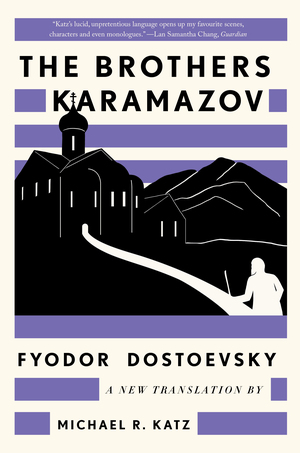
Cover of the Liveright paperback The Brothers Karamazov translated by Michael R. Katz

Exact edition

The Brothers Karamazov

Publisher
Liveright
Format
Hardcover, paperback (featured), ebook
ISBN-10
1324095105
ISBN-13
9781324095101
02Best for

The strongest dramatic voices

Ignat Avsey (1994)

Full review

Our choice for dramatic voice: idiomatic British English that hears hesitation, comic posture, and argument as live performance.

Voice
Expressive spoken English with strong social color and comic timing
Tradeoff
The interpretive and theatrical coloring is freer than some readers want
Compare passages first
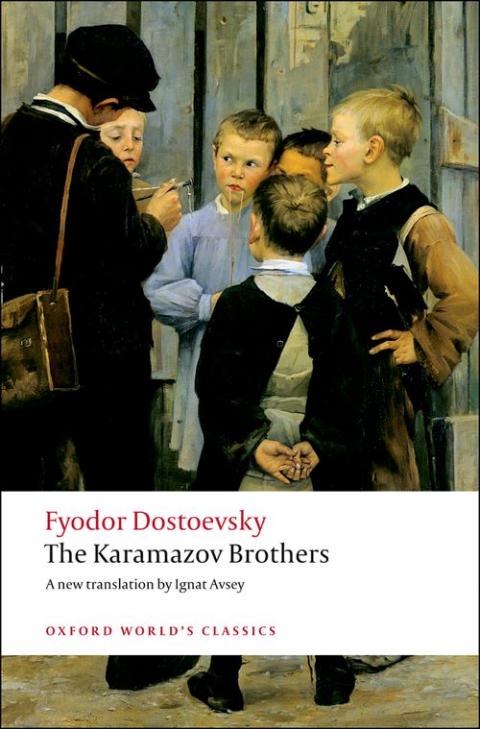
Cover of the Oxford World's Classics The Karamazov Brothers translated by Ignat Avsey

Exact edition

The Karamazov Brothers

Publisher
Oxford World's Classics
Format
Paperback
ISBN-10
0199536376
ISBN-13
9780199536375
03Best for

Repetition and source texture

Richard Pevear and Larissa Volokhonsky (1990)

Full review

Our source-texture choice: repeated words, narrative hedges, and Russian-shaped turns remain conspicuous in the English.

Voice
Idiosyncratic and deliberate, preserving hedges, repeated words, and odd turns
Tradeoff
Some syntax and dialogue feel stiff in English, and literalness does not preserve every distinction
Compare passages first
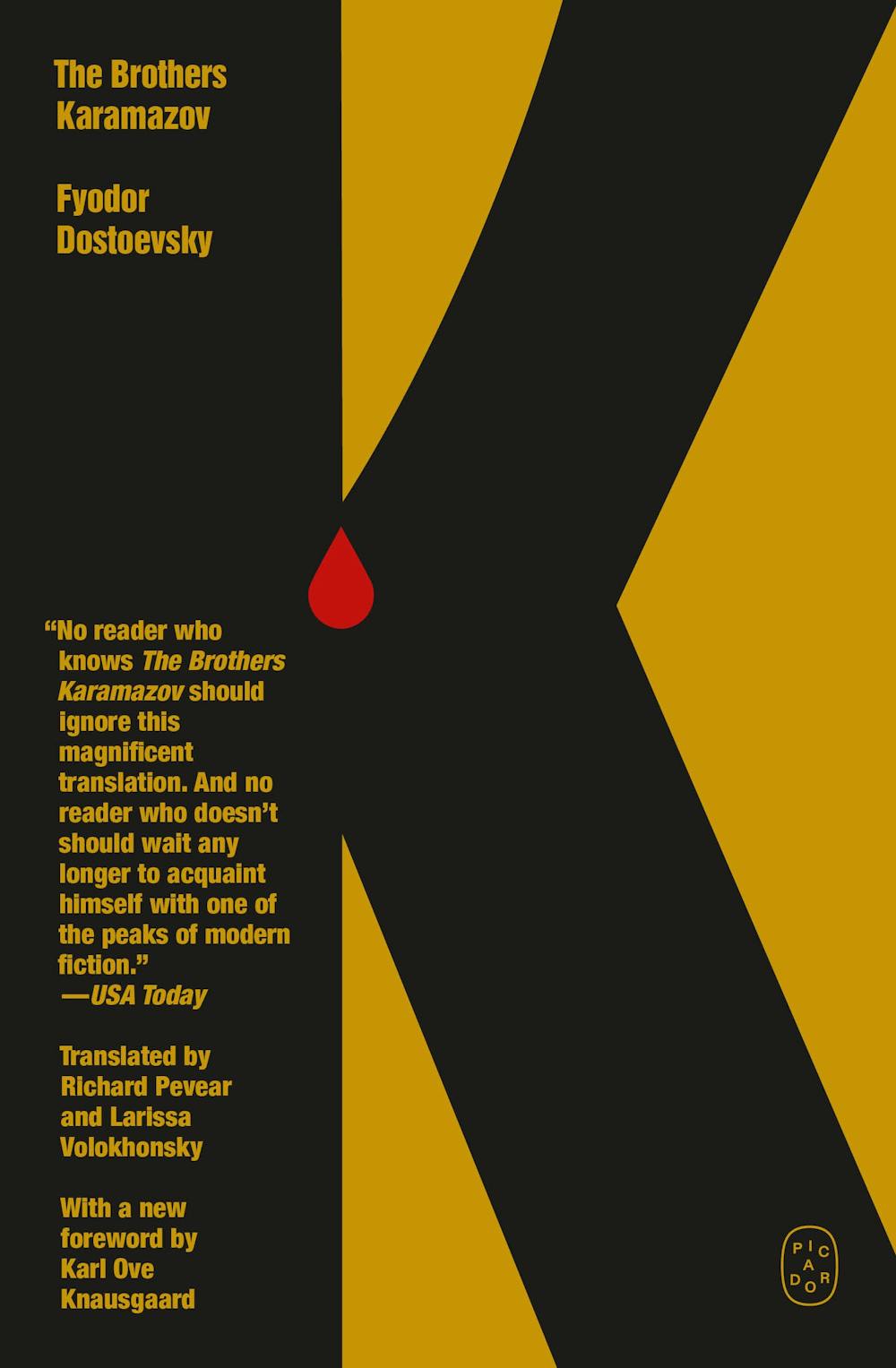
Cover of the Picador deluxe paperback The Brothers Karamazov translated by Richard Pevear and Larissa Volokhonsky

Exact edition

The Brothers Karamazov

Publisher
Picador
Format
Deluxe trade paperback
ISBN-10
1250398029
ISBN-13
9781250398024
04Best for

Free and public domain

Constance Garnett (1912)

Full review

The best free choice: fluent, historically influential English with strong narrative cadence and substantial smoothing.

Voice
Graceful narrative movement with memorable cadence and a charming storyteller
Tradeoff
Smooths repetition, social registers, and distinctions in recurring vocabulary
Compare passages first
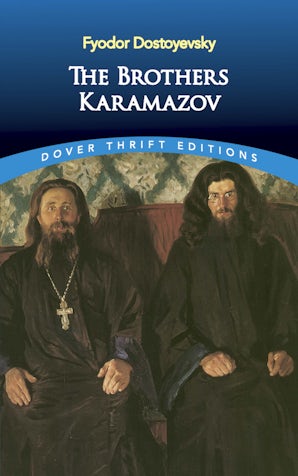
Cover of the Dover paperback The Brothers Karamazov translated by Constance Garnett

Exact edition

The Brothers Karamazov

Publisher
Dover Publications
Format
Paperback
ISBN-10
0486437913
ISBN-13
9780486437910

Hear them side by side

Choose a moment, then pick the translations you want to hear together. If you choose several, scroll sideways to keep reading.

Show translations

Showing Katz, Avsey, and Pevear and Volokhonsky. Select more to add them to the comparison.

Book One, Chapter 1

The narrator introduces Fyodor Pavlovich

Michael R. Katz 2023
Aleksey Fyodorovich Karamazov was the third son of a landowner in our district, Fyodor Pavlovich Karamazov, so well known in his own time (and still remembered among us) for his dark and tragic demise, which occurred exactly thirteen years ago, and which I’ll tell you about at the proper time. For now all I’ll say about this “landowner” (as he was called by us, although for his whole life he hardly ever lived on his estate) is that he was a strange type, though one that’s encountered fairly often; not only was he utterly worthless and depraved, but he had no sense at all—and yet he was one of those people with no sense who knew how to take very good care of his worldly affairs, and, apparently, not much else.
Read our take on this translation Liveright 2023 first-edition digital text of Michael R. Katz's translation · Book One, Chapter 1, opening paragraph Text checked Jul 19, 2026
Ignat Avsey 1994
Aleksei Fyodorovich Karamazov was the third son of Fyodor Pavlovich Karamazov, a landowner of our district, extremely well known in his time (and to this day still remembered in these parts) on account of his violent and mysterious death exactly thirteen years ago, the circumstances of which I shall relate in due course. All I shall say now about this landowner (as we used to call him, even though he scarcely ever lived on his estate) is that he was an eccentric, a type not uncommon however, not only worthless and depraved but muddle-headed as well, yet one of those whose muddle-headedness never stops them from making an excellent job of their business affairs.
Read our take on this translation Oxford World's Classics digital text of the 1998 reissue of Ignat Avsey's 1994 translation · Book One, Chapter 1, opening paragraph Text checked Jul 19, 2026
Richard Pevear and Larissa Volokhonsky 1990
Alexei Fyodorovich Karamazov was the third son of a landowner from our district, Fyodor Pavlovich Karamazov, well known in his own day (and still remembered among us) because of his dark and tragic death, which happened exactly thirteen years ago and which I shall speak of in its proper place. For the moment I will only say of this “landowner” (as we used to call him, though for all his life he hardly ever lived on his estate) that he was a strange type, yet one rather frequently met with, precisely the type of man who is not only worthless and depraved but muddleheaded as well—one of those muddleheaded people who still handle their own little business deals quite skillfully, if nothing else.
Read our take on this translation Farrar, Straus and Giroux digital text of the 2002 paperback edition of the 1990 Pevear and Volokhonsky translation · Book One, Chapter 1, opening paragraph Text checked Jul 19, 2026
Constance Garnett 1912
Alexey Fyodorovitch Karamazov was the third son of Fyodor Pavlovitch Karamazov, a land owner well known in our district in his own day, and still remembered among us owing to his gloomy and tragic death, which happened thirteen years ago, and which I shall describe in its proper place. For the present I will only say that this “landowner”—for so we used to call him, although he hardly spent a day of his life on his own estate—was a strange type, yet one pretty frequently to be met with, a type abject and vicious and at the same time senseless. But he was one of those senseless persons who are very well capable of looking after their worldly affairs, and, apparently, after nothing else.
Read our take on this translation Standard Ebooks revision 412f071 of Constance Garnett's 1912 translation · Book One, Chapter 1, opening paragraph Text checked Jul 19, 2026
David McDuff 1993, revised 2003
Aleksey Fyodorovich Karamazov was the third son of a landowner in our district, Fyodor Pavlovich Karamazov, so noted in his time (and even now still recollected among us) for his tragic and fishy death, which occurred just thirteen years ago and which I shall report in its proper context. All I shall say now about this ‘landowner’ (as he was called among us, though for most of his life he hardly ever lived on his estate at all) is that he was a strange type, one that is, however, rather often encountered, namely the type of man who is not only empty and depraved but also muddle-headed – belonging, though, to the class of muddle-headed men who are perfectly well able to handle their little property affairs, and, it would seem, these alone.
Read our take on this translation Penguin Classics digital text of David McDuff's 1993 translation, revised in 2003 · Book One, Chapter 1, opening paragraph Text checked Jul 19, 2026
Andrew R. MacAndrew 1970
Alexei Fyodorovich Karamazov was the third son of Fyodor Pavlovich Karamazov, a landowner in our district who became a celebrity (and is remembered to this day) because of the tragic and mysterious end he met exactly thirteen years ago, which will be described in its proper place. For the moment, I will only say of this “landowner” (as they referred to him here, although he spent hardly any time on his land) that he belonged to a peculiar though widespread human type, the sort of man who is not only wretched and depraved but also muddle-headed—muddle-headed in a way that allows him to pull off all sorts of shady little financial deals and not much else.
Read our take on this translation Bantam Classics digital text of the 2003 reissue of Andrew R. MacAndrew's 1970 translation · Book One, Chapter 1, opening paragraph Text checked Jul 19, 2026
David Magarshack 1958
Alexey Fyodorovich Karamazov was the third son of Fyodor Pavlovich Karamazov, a landowner of our district, who became notorious in his own day (and is still remembered among us) because of his tragic and mysterious death, which occurred exactly thirteen years ago and which I shall relate in its proper place. For the present all I shall say about this ‘landowner’ (as we used to call him, though he hardly ever lived on his estate) is that he was a strange sort of individual, yet one that is met with pretty frequently, the sort of man who is not only worthless and depraved, but also muddle-headed—though one of those muddle-headed men who know very well how to bring off their far from honest business deals and, it would seem, nothing else.
Read our take on this translation Penguin Classics 1982 one-volume reissue of David Magarshack's 1958 translation · Book One, Chapter 1, printed p. 3 Text checked Jul 19, 2026
What to notice

Listen for the narrator's amused judgment. Worthless, depraved, senseless, muddle-headed, and featherbrain do different work. Then watch what happens to the repetitions around common sense and business sense. This paragraph tells us whether the narrator sounds polished, talkative, prosecutorial, or delighted by his own qualifications.

Book Five, Chapter 4, Rebellion

Ivan returns the ticket

Michael R. Katz 2023
Too high a value has been placed on harmony; it’s beyond our means to pay so much for an entrance ticket. And so, I hasten to return my ticket. If I’m an honest man, I’m obliged to return it as soon as possible. That’s what I’m doing. It’s not God that I don’t accept, Alyosha; it’s only that I’m respectfully giving Him back my ticket.
Read our take on this translation Liveright 2023 first-edition digital text of Michael R. Katz's translation · Book Five, Chapter 4, concluding paragraph Text checked Jul 19, 2026
Ignat Avsey 1994
Besides, the price of harmony has been set too high, we can’t afford the entrance fee. And that’s why I hasten to return my entry ticket. If I ever want to call myself an honest man, I have to hand it back as soon as possible. And that’s exactly what I’m doing. It’s not that I don’t accept God, Alyosha; I’m just, with the utmost respect, handing Him back my ticket.
Read our take on this translation Oxford World's Classics digital text of the 1998 reissue of Ignat Avsey's 1994 translation · Book Five, Chapter 4, concluding paragraph Text checked Jul 19, 2026
Richard Pevear and Larissa Volokhonsky 1990
Besides, they have put too high a price on harmony; we can’t afford to pay so much for admission. And therefore I hasten to return my ticket. And it is my duty, if only as an honest man, to return it as far ahead of time as possible. Which is what I am doing. It’s not that I don’t accept God, Alyosha, I just most respectfully return him the ticket.
Read our take on this translation Farrar, Straus and Giroux digital text of the 2002 paperback edition of the 1990 Pevear and Volokhonsky translation · Book Five, Chapter 4, concluding paragraph Text checked Jul 19, 2026
Constance Garnett 1912
Besides, too high a price is asked for harmony; it’s beyond our means to pay so much to enter on it. And so I hasten to give back my entrance ticket, and if I am an honest man I am bound to give it back as soon as possible. And that I am doing. It’s not God that I don’t accept, Alyosha, only I most respectfully return Him the ticket.
Read our take on this translation Standard Ebooks revision 412f071 of Constance Garnett's 1912 translation · Book Five, Chapter 4, concluding paragraph Text checked Jul 19, 2026
David McDuff 1993, revised 2003
And in any case, harmony has been overestimated in value, we really don’t have the money to pay so much to get in. And so I hasten to return my entry ticket. And if I am at all an honest man, I am obliged to return it as soon as possible. That is what I am doing. It isn’t God I don’t accept, Alyosha, it’s just his ticket that I most respectfully return to him.
Read our take on this translation Penguin Classics digital text of David McDuff's 1993 translation, revised in 2003 · Book Five, Chapter 4, concluding paragraph Text checked Jul 19, 2026
Andrew R. MacAndrew 1970
I feel, moreover, that such harmony is rather overpriced. We cannot afford to pay so much for a ticket. And so I hasten to return the ticket I’ve been sent. If I’m honest, it is my duty to return it as long as possible before the show. And that’s just what I’m trying to do, Alyosha. It isn’t that I reject God; I am simply returning Him most respectfully the ticket that would entitle me to a seat.
Read our take on this translation Bantam Classics digital text of the 2003 reissue of Andrew R. MacAndrew's 1970 translation · Book Five, Chapter 4, concluding paragraph Text checked Jul 19, 2026
David Magarshack 1958
Besides, too high a price has been placed on harmony. We cannot afford to pay so much for admission. And therefore I hasten to return my ticket of admission. And indeed, if I am an honest man, I’m bound to hand it back as soon as possible. This I am doing. It is not God that I do not accept, Alyosha. I merely most respectfully return him the ticket.
Read our take on this translation Penguin Classics 1982 one-volume reissue of David Magarshack's 1958 translation · Book Five, Chapter 4, printed p. 287 Text checked Jul 19, 2026
What to notice

The argument tightens around price, admission, and the act of returning. Entrance fee, ticket of admission, and seat turn the same image into different scenes. Notice whether Ivan sounds ceremonious, practical, bitterly comic, or exhausted when he tells Alyosha that the cost of harmony is too high.

Book Eleven, Chapter 9

The devil arrives as a shabby gentleman

Michael R. Katz 2023
He was dressed in a brown jacket, evidently fashioned by a good tailor, but now a little worse for the wear, at least three years old and completely out of fashion, such that no well-to-do man of the world had worn anything like it in the past couple of years. His shirt and necktie—as long as a scarf—were like those worn by people striving to be stylish; but his shirt, on closer inspection, appeared none too clean, and his wide scarf was almost threadbare. The visitor’s checked trousers fit him splendidly, but they were too bright in color and a bit too narrow to suit the current fashion, just as his downy white felt hat was inappropriate for the season. In short, he gave the appearance of a gentleman who had limited means.
Read our take on this translation Liveright 2023 first-edition digital text of Michael R. Katz's translation · Book Eleven, Chapter 9, the visitor's first description Text checked Jul 19, 2026
Ignat Avsey 1994
He was wearing a sort of brown jacket, obviously from a good tailor, but threadbare after two or three years’ wear and already completely out of fashion, the sort of thing that smart, well-to-do men had given up wearing two years ago. His collar and cuffs, his long, scarf-like cravat, everything was what a smart gentleman would wear, but on closer inspection the collar and cuffs were grubby and the thick cravat was badly frayed. The visitor’s check trousers were an excellent fit, but again these were of too light a colour and too narrow, and no longer in fashion, and the soft, white felt hat was quite inappropriate for the time of year. In short, he was a picture of impecunious respectability.
Read our take on this translation Oxford World's Classics digital text of the 1998 reissue of Ignat Avsey's 1994 translation · Book Eleven, Chapter 9, the visitor's first description Text checked Jul 19, 2026
Richard Pevear and Larissa Volokhonsky 1990
He was wearing a sort of brown jacket, evidently from the best of tailors, but already shabby, made approximately three years ago and already completely out of fashion, such as no well-to-do man of society had been seen in for at least two years. His linen, his long, scarflike necktie, all was just what every stylish gentleman would wear, but, on closer inspection, the linen was a bit dirty and the wide scarf was quite threadbare. The visitor’s checkered trousers fitted perfectly, but again they were too light and somehow too narrow, of a style no one wore any longer, as was the soft, downy white hat the visitor had brought with him, though it was entirely the wrong season. In short, he gave the appearance of decency on rather slender means.
Read our take on this translation Farrar, Straus and Giroux digital text of the 2002 paperback edition of the 1990 Pevear and Volokhonsky translation · Book Eleven, Chapter 9, the visitor's first description Text checked Jul 19, 2026
Constance Garnett 1912
He was wearing a brownish reefer jacket, rather shabby, evidently made by a good tailor though, and of a fashion at least three years old, that had been discarded by smart and well-to-do people for the last two years. His linen and his long scarf-like necktie were all such as are worn by people who aim at being stylish, but on closer inspection his linen was not over-clean and his wide scarf was very threadbare. The visitor’s check trousers were of excellent cut, but were too light in color and too tight for the present fashion. His soft fluffy white hat was out of keeping with the season. In brief there was every appearance of gentility on straitened means.
Read our take on this translation Standard Ebooks revision 412f071 of Constance Garnett's 1912 translation · Book Eleven, Chapter 9, the visitor's first description Text checked Jul 19, 2026
David McDuff 1993, revised 2003
He was dressed in a brown jacket, evidently from a good tailor, but now rather shabby, having been made the year before last and now quite out of fashion, of a kind that no man of society and means had worn for the past two years. His shirt and collar, his long, scarf-like necktie were all in the manner affected by every smartish gentleman, but if one looked closer one could see that the shirt and collar were rather dirty, and the broad scarf very threadbare. The checked trousers of the guest were of an excellent fit, but were again too light in colour and somehow tighter than anyone wore now; the soft, white goatsfelt hat which the guest had brought along with him, quite out of keeping with the season, produced the same effect. It was, in a word, one of respectability maintained on very slender pecuniary means.
Read our take on this translation Penguin Classics digital text of David McDuff's 1993 translation, revised in 2003 · Book Eleven, Chapter 9, the visitor's first description Text checked Jul 19, 2026
Andrew R. MacAndrew 1970
He wore a brownish jacket which had obviously been made by a first-class tailor but a good three years earlier, for it was rather worn and was cut in a fashion that no wealthy man of the world would have been seen in for at least the past two years. His shirt and his wide tie were just the kind worn by elegant gentlemen, although if you looked closely you could see that the shirt was none too clean and the tie was slightly frayed. The visitor’s checkered trousers fitted him perfectly, but again they were a bit too light and somewhat narrower than the present fashion. And his fluffy white felt hat was altogether out of season. In short, he looked like a very respectable gentleman somewhat down on his luck.
Read our take on this translation Bantam Classics digital text of the 2003 reissue of Andrew R. MacAndrew's 1970 translation · Book Eleven, Chapter 9, the visitor's first description Text checked Jul 19, 2026
David Magarshack 1958
He was wearing a sort of brown coat, evidently cut by a good tailor, but rather threadbare, made about three years before and quite out of fashion now, in a style that had not been worn for two years by well-to-do men about town. His linen and his long scarf-like cravat were all such as were worn by smart gentlemen, but on closer inspection his linen was rather dirty and the wide scarf very threadbare. The visitor’s check trousers were of an excellent cut, but again were a little too light in colour and a little too tight, such, in fact, as were no longer worn, and the same was true of his white fluffy felt hat, which was certainly not in season. In short, he gave the impression of a well-bred gentleman who was rather hard up.
Read our take on this translation Penguin Classics 1982 one-volume reissue of David Magarshack's 1958 translation · Book Eleven, Chapter 9, printed p. 747 Text checked Jul 19, 2026
What to notice

The visitor is comic before he becomes metaphysical. Each version inventories a good tailor, dirty linen, obsolete fashion, and reduced means. Respectability, gentility, decency, and being down on one's luck place him in different social worlds. The chapter's medical vocabulary also matters because Ivan is hallucinating while the narrator struggles to name his illness.

Epilogue, Chapter 3

Alyosha asks the boys to remember

Michael R. Katz 2023
Gentlemen, we’ll take our leave from one another. For the time being I shall remain with my two brothers, one of whom will be sent into exile, while the other lies at death’s door. But I will soon be leaving this town, perhaps for a very long time. So we’ll be parting, gentlemen. Let us make a vow, here at Ilyushechka’s stone, that we shall never forget—first, Ilyushechka, and second, one another. And whatever may happen to us later in life, even if we don’t meet again for twenty years, we will still remember how we buried the poor boy at whom we once threw stones—do you recall, near the little bridge? And then how all of us came to love him. He was a fine lad, kind and brave, who had a sense of honor, and felt the bitter insult that his father had suffered, and stood up for him.
Read our take on this translation Liveright 2023 first-edition digital text of Michael R. Katz's translation · Epilogue, Chapter 3, Alyosha's speech at the stone Text checked Jul 19, 2026
Ignat Avsey 1994
Boys, we shall soon be parting. I must spend some time with my two brothers now, one of them’s been sent to the penal colony and the other’s on his deathbed. But I shall leave this town soon, perhaps for a very long time. So we have to part, my friends. Let us agree here by Ilyusha’s stone never to forget, first, Ilyushechka, and secondly, one another. And whatever may happen to us in this life, even if we don’t meet again for twenty years, we’ll still remember how we buried that poor child at whom we’d previously thrown stones—by the little bridge, you remember?—and then how we all grew to love him. He was a wonderful boy, kind and brave, with a sense of honour and an understanding of the insult to his father’s pride, which he fought to avenge.
Read our take on this translation Oxford World's Classics digital text of the 1998 reissue of Ignat Avsey's 1994 translation · Epilogue, Chapter 3, Alyosha's speech at the stone Text checked Jul 19, 2026
Richard Pevear and Larissa Volokhonsky 1990
Gentlemen, we shall be parting soon. Right now I shall be with my two brothers for a while, one of whom is going into exile, and the other is lying near death. But soon I shall leave this town, perhaps for a very long time. And so we shall part, gentlemen. Let us agree here, by Ilyusha’s stone, that we will never forget—first, Ilyushechka, and second, one another. And whatever may happen to us later in life, even if we do not meet for twenty years afterwards, let us always remember how we buried the poor boy, whom we once threw stones at—remember, there by the little bridge?—and whom afterwards we all came to love so much. He was a nice boy, a kind and brave boy, he felt honor and his father’s bitter offense made him rise up.
Read our take on this translation Farrar, Straus and Giroux digital text of the 2002 paperback edition of the 1990 Pevear and Volokhonsky translation · Epilogue, Chapter 3, Alyosha's speech at the stone Text checked Jul 19, 2026
Constance Garnett 1912
Boys, we shall soon part. I shall be for some time with my two brothers, of whom one is going to Siberia and the other is lying at death’s door. But soon I shall leave this town, perhaps for a long time, so we shall part. Let us make a compact here, at Ilusha’s stone, that we will never forget Ilusha and one another. And whatever happens to us later in life, if we don’t meet for twenty years afterwards, let us always remember how we buried the poor boy at whom we once threw stones, do you remember, by the bridge? and afterwards we all grew so fond of him. He was a fine boy, a kindhearted, brave boy, he felt for his father’s honor and resented the cruel insult to him and stood up for him.
Read our take on this translation Standard Ebooks revision 412f071 of Constance Garnett's 1912 translation · Epilogue, Chapter 3, Alyosha's speech at the stone Text checked Jul 19, 2026
David McDuff 1993, revised 2003
Gentlemen, we shall soon be parted. I am going to be for a while yet with my two brothers, of whom one is about to go into exile, and the other is lying at the point of death. But soon I am going to leave this town, possibly for a very long time. And then, gentlemen, we shall be parted. So let us here, by Ilyusha’s stone, agree that we shall never forget – in the first place, Ilyushechka, and in the second, one another. And whatever may befall us subsequently in life, even though we do not meet for twenty years hereafter – all the same let us remember how we buried the poor boy, the one at whom you formerly threw stones, do you remember, down there by the bridge? – but whom everyone came to love so later. He was a wonderful boy, a kind and brave boy, he had a sense of the honour and of the bitter insult that his father bore, and for which he rose up.
Read our take on this translation Penguin Classics digital text of David McDuff's 1993 translation, revised in 2003 · Epilogue, Chapter 3, Alyosha's speech at the stone Text checked Jul 19, 2026
Andrew R. MacAndrew 1970
Boys, you and I will have to part quite soon. I’ll have to stay here for some time, though, with my two brothers. One of them is waiting to be sent off to Siberia. The other is very ill, and his life is in danger. But I’ll leave this town soon enough and may be gone for a very long time. And so we shall part. So let us agree, here by this stone, that we shall never forget, first, Ilyusha and, second, one another. And whatever happens to us later in life, even if we do not meet again for the next twenty years, let us always remember this day when we buried the poor little boy whom we previously pelted with stones—remember, by that bridge?—and to whom, later, we all became so attached. He was a nice, kind, brave boy, very conscious of his father’s dignity and very sensitive to the cruel insults showered on his father. And it was against those insults that he revolted.
Read our take on this translation Bantam Classics digital text of the 2003 reissue of Andrew R. MacAndrew's 1970 translation · Epilogue, Chapter 3, Alyosha's speech at the stone Text checked Jul 19, 2026
David Magarshack 1958
Boys, we shall soon part. I’m staying here at present with my two brothers, one of whom is going to Siberia and the other is dangerously ill. But soon I shall leave this town, perhaps for a long time. So we may not see each other again. Let us, therefore, agree here, at Ilyusha’s stone, never to forget, first, Ilyusha, and, secondly, one another. And whatever may befall us in life afterwards, even if we do not meet again for twenty years, we shall always remember how we buried the poor boy at whom we threw stones before at that little bridge—remember?—and how we all loved him so much afterwards. He was a nice boy, a good and brave boy. He was deeply conscious of his father’s honour and the cruel insult to him, against which he had fought so stoutly.
Read our take on this translation Penguin Classics 1982 one-volume reissue of David Magarshack's 1958 translation · Epilogue, Chapter 3, printed p. 910 Text checked Jul 19, 2026
What to notice

The novel ends by turning memory into a shared practice. Gentlemen, boys, and friends change Alyosha's relation to his listeners. Watch the chain of remember, never forget, and how good it was. The strongest versions let the emotion accumulate without making the speech either flat or sugary.

Every translation at a glance

The year tells you when the English translation or named revision first appeared. It does not tell you when a particular paperback was printed. See the three choices we use to compare all nine.

9 English translations of The Brothers Karamazov, in the order we use in this guide
TranslatorYearRegisterBest for
Michael R. Katz 2023 Contemporary, direct, and lightly comic A first reading
Ignat Avsey 1994 Idiomatic, theatrical, and distinctly British Dramatic voices
Richard Pevear and Larissa Volokhonsky 1990 Source-shaped, recurrent, and visibly translated Source texture
Constance Garnett Public domain 1912 Fluent, Edwardian, and narratively assured A free complete text
David McDuff 1993, revised 2003 Formal, exacting, and densely British Close study
Andrew R. MacAndrew 1970 Direct, concise, and mid-century American A fast vintage version
David Magarshack 1958 Smooth, accessible, and mid-century British A readable historical Penguin
Julius Katzer No complete attributable Katzer text was available for checking, so this version is not ranked or quoted. 1980 Soviet-era English edition Readers researching the translation's publication history
Constance Garnett, revised by Susan McReynolds Oddo The candidate source proved to be a duplicate of the unrevised Garnett text. This revision is not ranked or quoted. 2011 revision A scholarly revision of Garnett The Norton Critical Edition's contextual materials

What we think of the seven checked translations

01

Michael R. Katz

2023 · Contemporary, direct, and lightly comic

Our best first-read choice: quick contemporary American English with clear argument, comic timing, and distinct voices.

Read it if you want to enter the novel with minimal friction while still hearing its narrator hedge, gossip, and judge.

Skip it if you want Russian syntax and repeated verbal patterns kept as visible as possible.

Read the full Katz review
Cover of the Liveright paperback The Brothers Karamazov translated by Michael R. Katz

Exact edition

The Brothers Karamazov

Publisher
Liveright
Format
Hardcover, paperback (featured), ebook
ISBN-10
1324095105
ISBN-13
9781324095101
02

Ignat Avsey

1994 · Idiomatic, theatrical, and distinctly British

Our choice for dramatic voice: idiomatic British English that hears hesitation, comic posture, and argument as live performance.

Read it if you want the novel's talk to feel staged, social, and emotionally immediate.

Skip it if you prefer a restrained translation that keeps interpretive color out of the foreground.

Read the full Avsey review
Cover of the Oxford World's Classics The Karamazov Brothers translated by Ignat Avsey

Exact edition

The Karamazov Brothers

Publisher
Oxford World's Classics
Format
Paperback
ISBN-10
0199536376
ISBN-13
9780199536375
03

Richard Pevear and Larissa Volokhonsky

1990 · Source-shaped, recurrent, and visibly translated

Our source-texture choice: repeated words, narrative hedges, and Russian-shaped turns remain conspicuous in the English.

Read it if you want verbal motifs and the source's odd surfaces kept in view for study or rereading.

Skip it if stiff syntax or dialogue that sounds translated will keep you outside the scene.

Read the full Pevear and Volokhonsky review
Cover of the Picador deluxe paperback The Brothers Karamazov translated by Richard Pevear and Larissa Volokhonsky

Exact edition

The Brothers Karamazov

Publisher
Picador
Format
Deluxe trade paperback
ISBN-10
1250398029
ISBN-13
9781250398024
04

Constance Garnett

1912 · Fluent, Edwardian, and narratively assured

The best free choice: fluent, historically influential English with strong narrative cadence and substantial smoothing.

Read it if you need a public-domain text or enjoy an assured Edwardian storyteller.

Skip it if you want differences in social voice, repetition, and medical vocabulary preserved closely.

Read the full Garnett review
Cover of the Dover paperback The Brothers Karamazov translated by Constance Garnett

Exact edition

The Brothers Karamazov

Publisher
Dover Publications
Format
Paperback
ISBN-10
0486437913
ISBN-13
9780486437910
05

David McDuff

1993, revised 2003 · Formal, exacting, and densely British

A precise, formally serious alternative that keeps sentence structure and idiosyncratic wording visible in dense British prose.

Read it if you want a close text with extensive notes and do not mind substantial sentences.

Skip it if you need dialogue to feel light, quick, or immediately contemporary.

Read the full McDuff review
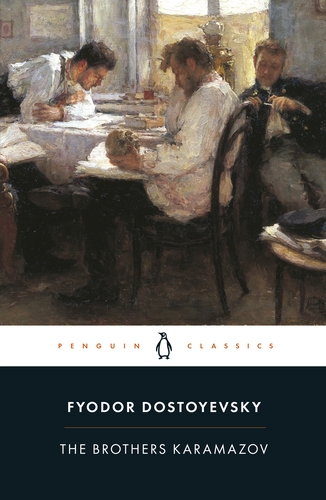
Cover of the Penguin Classics The Brothers Karamazov translated by David McDuff

Exact edition

The Brothers Karamazov

Publisher
Penguin Classics
Format
Paperback
ISBN-10
0140449248
ISBN-13
9780140449242
06

Andrew R. MacAndrew

1970 · Direct, concise, and mid-century American

A fast, direct mid-century American version with decisive idiom and less of the source's recurrent verbal grain.

Read it if you enjoy plainspoken vintage American prose and want philosophical dialogue to move quickly.

Skip it if period idiom or visible domestication will distract you from the Russian setting.

Read the full MacAndrew review
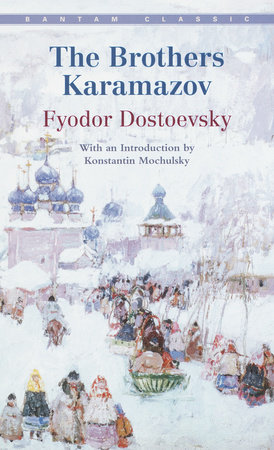
Cover of the Bantam Classics The Brothers Karamazov translated by Andrew R. MacAndrew

Exact edition

The Brothers Karamazov

Publisher
Bantam Classics
Format
Mass market paperback
ISBN-10
0553212168
ISBN-13
9780553212167
07

David Magarshack

1958 · Smooth, accessible, and mid-century British

A smooth mid-century Penguin that carries the narrative clearly while making Dostoevsky sound more conventionally English.

Read it if you want a readable historical version with steady British narrative movement.

Skip it if you want the source's odd syntax, repetitions, and social roughness kept visible.

Read the full Magarshack review

Exact edition

The Brothers Karamazov

Publisher
Penguin Classics
Format
Paperback (out of print)
ISBN-10
0140444165
ISBN-13
9780140444162

A linkable comparison chart

What changes across nine Brothers Karamazov versions

Three choices reveal the larger method: how the narrator names Fyodor Pavlovich's confusion, how Ivan prices harmony, and how the devil's reduced social position is summarized.

Scroll sideways to see all 3 choices.

Nine Brothers Karamazov versions compared across narrator, argument, and social register
TranslationFyodor PavlovichIvan's ticketThe devil
Michael R. Katzno sense at allentrance ticketgentleman with limited means
Ignat Avseymuddle-headedentrance fee and entry ticketimpecunious respectability
Pevear and Volokhonskymuddleheadedpay for admissiondecency on slender means
Constance Garnettsenselessentrance ticketgentility on straitened means
David McDuffmuddle-headedentry ticketrespectability on slender pecuniary means
Andrew R. MacAndrewmuddle-headedticket to a showrespectable and down on his luck
David Magarshackmuddle-headedticket of admissionwell-bred and rather hard up
Julius Katzernot checkednot checkednot checked
Susan McReynolds Oddonot checkednot checkednot checked

What to notice. The first column tests repeated comic judgment. The ticket column shows whether Ivan's metaphor stays transactional or becomes a theatrical scene. The devil column compresses clothing and class into one phrase. Table-only records are marked rather than inferred.

The Brothers Karamazov translation FAQ

What is the best translation of The Brothers Karamazov?

We recommend Michael R. Katz for most first-time readers. His contemporary American English is quick, clear, and attentive to the novel's humor. Choose Ignat Avsey if dramatic speech matters most, Pevear and Volokhonsky if you want repeated words and Russian-shaped texture kept visible, or Constance Garnett if you need a strong free edition.

What is the easiest Brothers Karamazov translation to read?

Katz is the easiest current choice for many American readers. Avsey is equally inviting if you enjoy expressive British dialogue. MacAndrew is direct and fast, but its mid-century American idiom feels more dated.

Which Brothers Karamazov translation is closest to the Russian?

No translation is closest in every way. Pevear and Volokhonsky preserve more repetition, odd phrasing, and visible source structure. McDuff also follows sentence structure closely, often in denser English. Avsey and Katz are freer locally but can come closer to the motion of a speaking voice.

Should I read Katz or Pevear and Volokhonsky?

Choose Katz for a first reading with direct contemporary English and quick comic timing. Choose Pevear and Volokhonsky if you want to notice verbal recurrences, hedges, and source-shaped syntax. We prefer Katz overall, but the side-by-side passages make the tradeoff easy to hear.

Is the Ignat Avsey translation good?

Yes. Avsey is one of the strongest choices for the novel as spoken drama. He gives the narrator, Ivan, the devil, and the boys distinct rhythms without making the argument hard to follow. His English is interpretive and sometimes theatrical, which is the benefit for some readers and the tradeoff for others.

Is Constance Garnett's Brothers Karamazov still worth reading?

Yes. Garnett remains fluent, memorable, and freely available. She also smooths repetitions, social differences between voices, and some distinctions in the novel's medical language. Read her as a compelling historical translation, not as a neutral transcript of the Russian.

Are all nine versions in the chart complete translations?

The chart records nine complete English versions or revisions. We checked complete texts for seven. Katzer remains table-only because no complete attributable text was available for checking. McReynolds Oddo remains table-only because the candidate source proved to be the unrevised Garnett text, so neither version is used for passage claims or ranking.

Why do translation and edition years differ?

The translation year marks the English version's first publication. The source-edition year identifies the text we checked. The buying-edition year identifies a current or historical volume that contains that translation. Avsey's translation dates to 1994, our checked Oxford text is a 1998 reissue, and the featured buying edition was published in 2008.
Research behind this guide

These are the sources we used to test our own reading and understand each translator's method.

  1. Victor Terras. How Much Does Dostoevsky Lose in English Translation?. Reading Dostoevsky, 1998.

    Compares Garnett and Pevear and Volokhonsky through social voice, narrator, repetition, biblical echoes, and recurring verbal motifs.
  2. Peter France, editor. Russian tradition. The Oxford Guide to Literature in English Translation, 2000.

    Places Magarshack, McDuff, Pevear and Volokhonsky, and Avsey on a spectrum from domesticated English to source-shaped fidelity.
  3. Jacob Emery and Elizabeth F. Geballe. Between Fiction and Physiology: Brain Fever in The Brothers Karamazov and Its English Afterlife. PMLA 135.5, 2020.

    Shows how English versions flatten or redistribute distinct Russian medical terms, especially around Ivan's illness and the devil scene.
  4. Michael Dirda. Review: The Brothers Karamazov in a new translation. The Washington Post, 2023.

    Reviews Katz in relation to Garnett and Pevear and Volokhonsky, with particular attention to humor, tone, and differing speech patterns.