A linkable comparison chart
What changes across eleven Crime and Punishment translations
Three small choices reveal a great deal: the room Raskolnikov lives in, the tense and slang of the mare dream, and the kind of moral right he claims.
Scroll sideways to see all 3 choices.
Eleven Crime and Punishment translations compared across room, dream, and argument | Translation | Raskolnikov’s room | Mare dream | The claimed right |
|---|
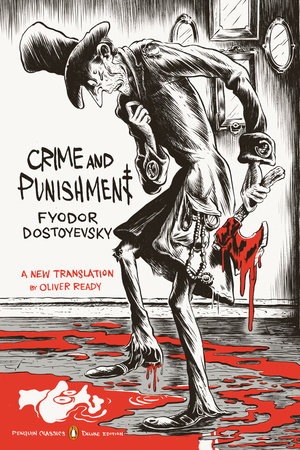
| Oliver Ready | garret, like a cupboard | present tense, rough British speech | personal right |
|---|
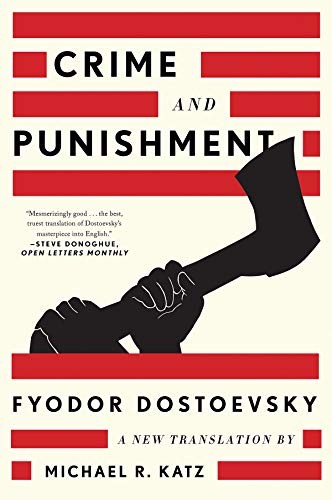
| Michael R. Katz | small room, like a closet | present tense, direct American speech | his own right |
|---|
| Roger Cockrell | garret room, then cupboard | present tense, blunt British speech | his own personal right |
|---|
| Pevear and Volokhonsky | closet, like a cupboard | present tense, repeated source texture | his own right |
|---|
| David McDuff | room, like a closet | present tense, formal vocabulary | private right |
|---|
| Nicolas Pasternak Slater | garret, like a cupboard | present tense, controlled modern speech | personal right |
|---|
| Sidney Monas | closetlike room, then cupboard | present tense, bold American slang | inner right |
|---|
| Constance Garnett | garret, like a cupboard | past tense, smooth narration | inner right |
|---|
| Jessie Coulson | little room, like a cupboard | past tense, restrained speech | right in himself |
|---|
| David Magarshack | little room, like a cupboard | past tense, domesticated idiom | a right |
|---|
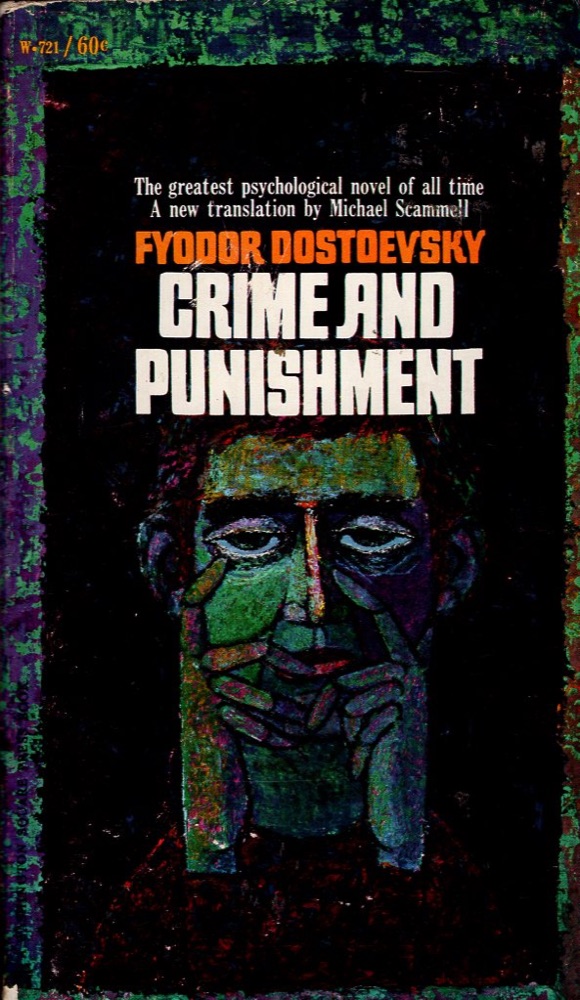
| Michael Scammell | garret, like a closet | present tense, 1960s American slang | personal right |
|---|
What to notice. Garret, room, closet, and cupboard alter how deprivation feels before the plot begins. Present tense turns memory into an event happening now. The distinction between an official, personal, private, inner, or merely implied right shows how each version stages Raskolnikov’s effort to excuse himself.
Crime and Punishment translation FAQ
What is the best translation of Crime and Punishment?
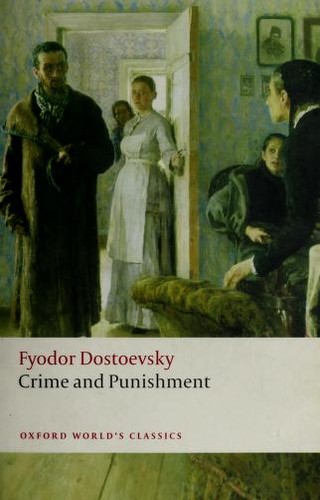
We recommend Oliver Ready for most first-time readers. His English is fast and approachable, but he does not make all the characters sound alike. Michael Katz is the clearest contemporary American alternative. Roger Cockrell is an excellent third choice if you want relaxed modern British prose and strong notes. Choose Pevear and Volokhonsky if preserving repeated words and Russian-shaped syntax matters more to you than smooth English.
What is the easiest Crime and Punishment translation to read?
Michael Katz is the easiest current translation for many American readers. Roger Cockrell is just as approachable for readers comfortable with British phrasing, and his dialogue is especially relaxed. Ready is nearly as accessible as either and gives you a wider range of slang, comedy, and biblical rhetoric.
Which Crime and Punishment translation is closest to the Russian?
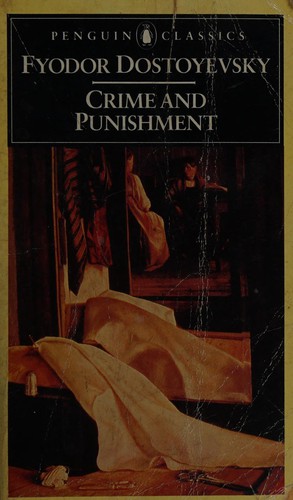
No version is closest in every respect. Pevear and Volokhonsky keep more repeated wording and visible Russian syntax. McDuff is formally precise but reshapes that syntax into substantial British prose. Ready is freer locally but often comes closer to the speed and social force of the Russian voices. Decide whether closeness means wording, sentence structure, or dramatic effect.
Should I read Oliver Ready or Michael Katz?
Choose Ready if you want each speaker to have a sharply different rhythm and enjoy a translation that takes verbal risks. Choose Katz if you want direct contemporary American English and minimal friction. We prefer Ready overall, especially in the mare dream and the comic dialogue, but Katz is the safer classroom or book-group choice.
Is Roger Cockrell’s translation good?
Yes. Cockrell’s 2022 translation is one of the strongest first-read choices. It is conversational, quick, and especially good at moving between ordinary speech and biblical performance. We prefer Ready for the widest range of voices and Katz for maximum clarity, but we would choose Cockrell over Pevear and Volokhonsky, McDuff, or the older in-copyright versions for most readers who simply want to enter the novel.
Is the Pevear and Volokhonsky translation good?
Yes, especially for readers who want to notice repeated words, pauses, and Russian-shaped expressions. It is not our first choice for effortless reading because some dialogue sounds less natural in English. Also check the edition: their translation first appeared in 1992, while the currently listed Vintage text is the updated second edition from 2021.
Is Constance Garnett’s Crime and Punishment still worth reading?
Yes. Garnett is our preferred public-domain option, and her English remains fluent and compelling. She also smooths Dostoevsky’s repetitions, abrupt syntax, and differences between voices. Read her for a free or historically important text, not because an old translation is automatically more faithful.
Are these Crime and Punishment translations complete?
All eleven translations in this comparison are complete. None is an adaptation, retelling, paraphrase, or abridgment. That fact is separate from whether a current paperback adds a new introduction, revises an earlier translation, or silently reprints a public-domain text.
Why do the translation year and edition year differ?
The translation year tells you when that English version first appeared. The source edition tells us exactly which text we checked. The buying edition tells you which current or historical volume contains the version identified on the page. McDuff’s 1991 translation was revised for the 2003 Penguin edition, while Pevear and Volokhonsky’s 1992 translation appears here in a 2021 second edition. Those dates are not interchangeable.