Which translation of Crime and Punishment should you read?

We compared eleven complete English translations at the same four moments: Raskolnikov leaving his room, Marmeladov preaching in the tavern, the mare dream, and the extraordinary-man argument. We show you what changes in pace, social voice, biblical register, and moral pressure, then identify the exact edition that contains the text you chose.

Jump to side-by-side comparison
Written by TranslationOf editors Last checked See our method

Four kinds of reader, four answers

We recommend Oliver Ready’s translation for a first reading because it moves quickly while letting the novel stay rough, funny, crowded, and frightening. Michael Katz is the cleanest contemporary American choice. Roger Cockrell’s 2022 version is close behind them, with relaxed modern British prose, lively speech, and generous supporting material. Constance Garnett is still the strongest free public-domain option. The right choice depends on which voice keeps you inside the novel, so use our side-by-side passage tool before you buy.

01Our pick

The best first read

Oliver Ready (2014)

Full review

Our best overall choice: urgent, funny, frightening English that lets each speaker sound like a different human being.

Voice
Quick, jagged, funny, and alive to shifts in social voice
Tradeoff
Some British slang and conspicuous old words can call attention to themselves
Compare passages first
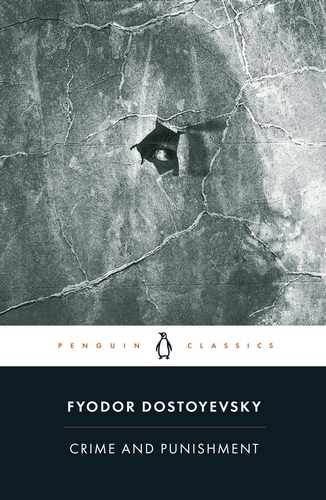
Cover of the Penguin Classics Deluxe Crime and Punishment translated by Oliver Ready

Exact edition

Crime and Punishment

Publisher
Penguin Classics
Format
Paperback (featured), ebook (including Kindle)
ISBN-10
0143107631
ISBN-13
9780143107637
02Best for

Contemporary American clarity

Michael R. Katz (2018)

Full review

The clearest contemporary American choice, with direct sentences, quick dialogue, and very little friction at the surface.

Voice
Clear American English with quick dialogue and visible nervous energy
Tradeoff
Its ease can make the novel feel a little less foreign and ceremonially strange
Compare passages first
Cover of Crime and Punishment: A New Translation by Michael R. Katz

Exact edition

Crime and Punishment

Publisher
Liveright
Format
Hardcover, paperback (featured), ebook (including Kindle)
ISBN-10
1631495313
ISBN-13
9781631495311
03Best for

Approachable modern British prose

Roger Cockrell (2022)

Full review

One of the best first-read choices: relaxed modern British prose, lively dialogue, and a strong supporting edition.

Voice
Relaxed modern prose that moves easily from street talk into biblical performance
Tradeoff
Its explanatory ease sometimes makes Raskolnikov sound more settled and explicit than he is
Compare passages first
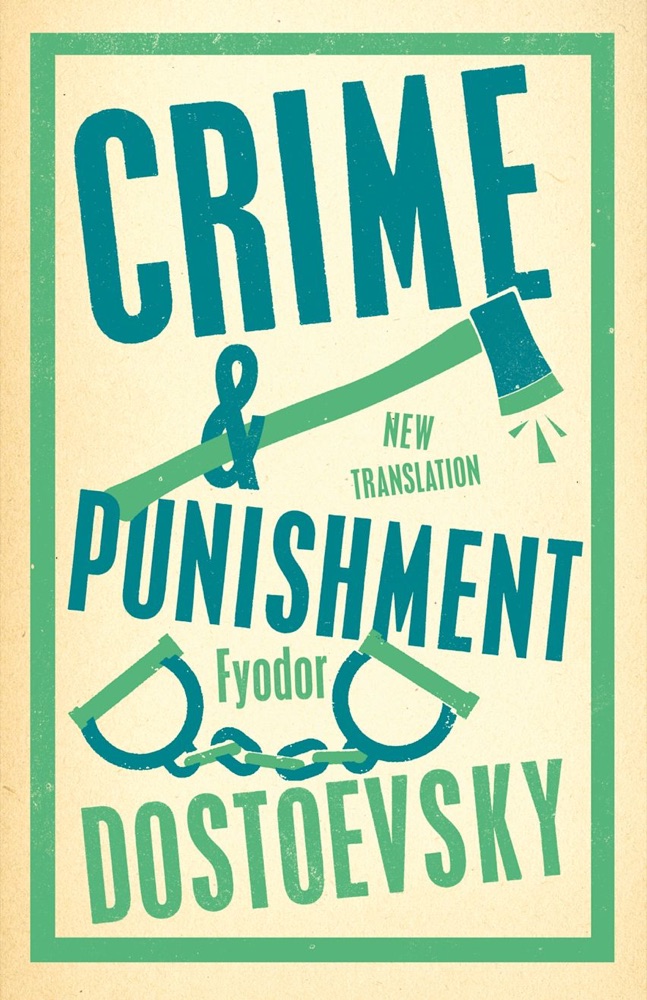
Cover of the Alma Classics Crime and Punishment translated by Roger Cockrell

Exact edition

Crime and Punishment

Publisher
Alma Classics
Format
Paperback (featured), ebook (including Kindle)
ISBN-10
1847498833
ISBN-13
9781847498830
04Best for

Free and public domain

Constance Garnett (1914)

Full review

Still a compelling English novel and the best free choice, but smoother, more unified, and more Edwardian than Dostoevsky.

Voice
Fluent literary English that turns rough edges into a continuous narrative voice
Tradeoff
She regularizes repetition, syntax, and some of the novel’s competing speech rhythms
Compare passages first
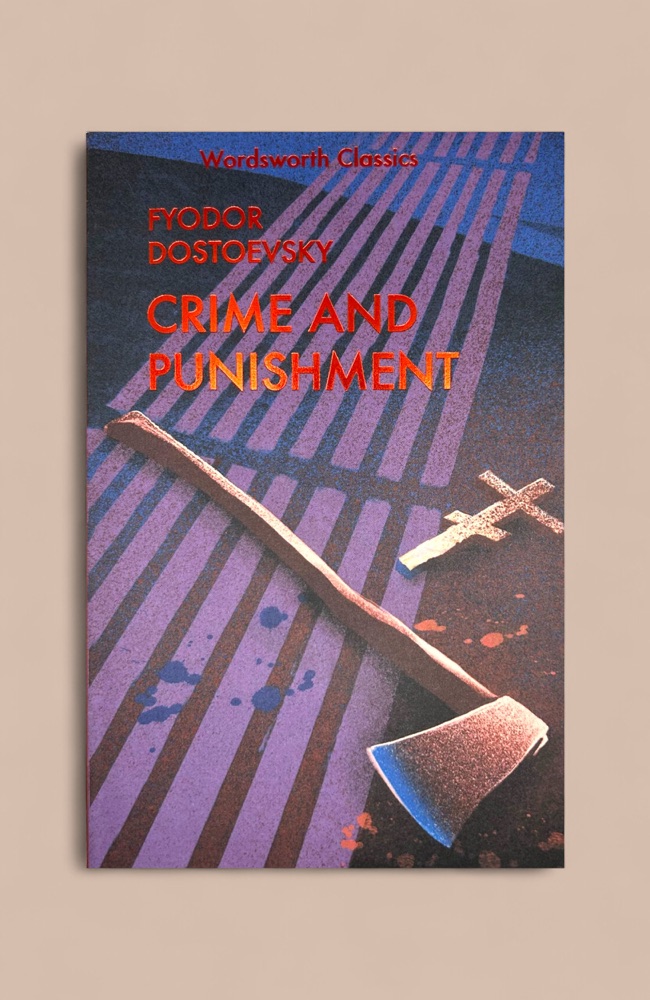
Cover of the Wordsworth Classics Crime and Punishment translated by Constance Garnett

Exact edition

Crime and Punishment

Publisher
Wordsworth Classics
Format
Paperback
ISBN-10
1840224304
ISBN-13
9781840224306

Hear them side by side

Choose a moment, then pick the translations you want to hear together. If you choose several, scroll sideways to keep reading.

Show translations

Showing Ready, Katz, and Cockrell. Select more to add them to the comparison.

Part One, Chapter 1

The opening and the room he cannot escape

Oliver Ready 2014
In early July, in exceptional heat, towards evening, a young man left the garret he was renting in S——y Lane, stepped outside, and slowly, as if in two minds, set off towards K——n Bridge. He’d successfully avoided meeting his landlady on the stairs. His garret was right beneath the eaves of a tall, five-storey building and resembled a cupboard more than it did a room. His landlady – a tenant herself, who also provided him with dinner and a maid – occupied separate rooms on the floor below, and every time he went down he had no choice but to pass her kitchen, the door of which was nearly always wide open. And every time he passed it, the young man experienced a sickening, craven sensation that made him wince with shame. He owed his landlady a small fortune and he was scared of meeting her.
Read our take on this translation Penguin Classics digital text of Oliver Ready’s 2014 translation, with 2015 corrections · Part One, Chapter 1, opening two paragraphs Text checked Jul 17, 2026
Michael R. Katz 2018
In the beginning of July, during an extremely hot spell, toward evening, a young man left his tiny room, which he sublet from some tenants who lived in Stolyarnyi Lane, stepped out onto the street, and slowly, as if indecisively, set off towards the Kokushkin Bridge. He had successfully managed to avoid meeting his landlady on the staircase. His small room, more like a closet than an apartment, was tucked under the roof of a tall five-story building. The landlady of the apartment, who rented him this room and provided both dinner and a servant, lived below in a separate apartment on the same staircase; every time he left to go out, he had to pass the landlady’s kitchen door, which was almost always left open onto the landing. Every time the young man passed, he felt a painful and fearful sensation, one that he was ashamed of and that made him wince. He was deeply in debt to the landlady and was afraid to face her.
Read our take on this translation Liveright digital text of Michael R. Katz’s 2018 translation · Part One, Chapter 1, opening two paragraphs Text checked Jul 17, 2026
Roger Cockrell 2022
Towards evening on an exceptionally hot day at the beginning of July, a young man emerged from his garret room on S— Lane, where he was lodging, and went out into the street. Slowly, as if undecided what to do, he set off for K—n Bridge. He managed to avoid meeting his landlady on the stairs. His little room was at the very top of a tall five-storey building, and was more like a cupboard than an apartment. His landlady, from whom he was renting his room together with food and service, lived one staircase below, in her own apartment. This meant that every time he had to go down to the street, he had to walk past her kitchen, with its door almost always wide open onto the staircase. And every time the young man walked past the kitchen, he felt sick with apprehension – something which made him grimace with shame. He was deeply in debt to her, and was afraid of meeting her.
Read our take on this translation Alma Classics digital text of Roger Cockrell’s 2022 translation · Part One, Chapter 1, opening two paragraphs Text checked Jul 18, 2026
Richard Pevear and Larissa Volokhonsky 1992
At the beginning of July, during an extremely hot spell, towards evening, a young man left the closet he rented from tenants in S——y Lane, walked out to the street, and slowly, as if indecisively, headed for the K——n Bridge. He had safely avoided meeting his landlady on the stairs. His closet was located just under the roof of a tall, five-storied house, and was more like a cupboard than a room. As for the landlady, from whom he rented this closet with dinner and maid-service included, she lived one flight below, in separate rooms, and every time he went out he could not fail to pass by the landlady’s kitchen, the door of which almost always stood wide open to the stairs. And each time he passed by, the young man felt some painful and cowardly sensation, which made him wince with shame. He was over his head in debt to the landlady and was afraid of meeting her.
Read our take on this translation Vintage Classics second-edition text of Pevear and Volokhonsky’s 1992 translation · Part One, Chapter 1, opening two paragraphs Text checked Jul 17, 2026
David McDuff 1991
At the beginning of July, during a spell of exceptionally hot weather, towards evening, a certain young man came down on to the street from the little room he rented from some tenants in S— Lane and slowly, almost hesitantly, set off towards K—n Bridge. He had succeeded in avoiding an encounter with his landlady on the stairs. His room was situated right under the roof of a tall, five-storey tenement, and sooner resembled a closet than a place of habitation. His landlady, from whom he rented this room with dinner and a maid, lived on the floor below in a separate apartment, and each time he wanted to go down to the street he had to pass his landlady's kitchen, the door of which was nearly always wide-open on to the stairs. And each time, as he passed it, the young man had a morbid sensation of fear, of which he was ashamed and which caused him to frown. He was heavily in debt to his landlady, and was afraid of running into her.
Read our take on this translation Penguin Classics revised text of David McDuff’s 1991 translation · Part One, Chapter 1, opening two paragraphs Text checked Jul 17, 2026
Nicolas Pasternak Slater 2017
One evening in early July, during a spell of exceptionally hot weather, a young man came out of the garret he rented from the tenants of a flat in S—— Lane, went downstairs to the street and set off, slowly and rather uncertainly, towards K——n Bridge. He managed to avoid meeting his landlady on the stairs. His garret, more like a cupboard than a room, was just under the roof of the five-storey house. The landlady from whom he rented this garret, with service and one meal a day, lived in a separate flat on the floor below, and every time he went downstairs to the street he had to go past her kitchen, whose door was almost always open onto the stairway. And every time the young man passed this door, he was overcome by an uncomfortable, cowardly feeling which made him grimace with shame. He was hopelessly in debt to his landlady and afraid of meeting her.
Read our take on this translation Oxford World’s Classics digital text of Nicolas Pasternak Slater’s 2017 translation · Part One, Chapter 1, opening two paragraphs Text checked Jul 17, 2026
Sidney Monas 1968
Early one evening, during an exceptional heat wave in the beginning of July, a young man walked out into the street from the closetlike room he rented on Stoliarny Place. Slowly, as though he could not make up his mind, he began to move in the direction of the Kokushkin Bridge. He had managed to avoid meeting his landlady on the stairs. He lived practically under the roof of a five-floor house, in what was more a cupboard than a room. In an apartment one flight below lived his landlady, from whom he rented this garret, dinner and service thrown in. Every time he went out he had to pass her kitchen door, which almost always stood open facing the stairs. When he walked past, he felt a nauseous, cowardly sensation; it made him wince, and he was ashamed of it. He was deeply in debt to his landlady, and he feared meeting her.
Read our take on this translation Digital text internally crediting Sidney Monas’s complete 1968 translation · Part One, Chapter 1, opening two paragraphs Text checked Jul 17, 2026
Constance Garnett 1914
On an exceptionally hot evening early in July a young man came out of the garret in which he lodged in S. Place and walked slowly, as though in hesitation, towards K. bridge. He had successfully avoided meeting his landlady on the staircase. His garret was under the roof of a high, five-storied house and was more like a cupboard than a room. The landlady who provided him with garret, dinners, and attendance, lived on the floor below, and every time he went out he was obliged to pass her kitchen, the door of which invariably stood open. And each time he passed, the young man had a sick, frightened feeling, which made him scowl and feel ashamed. He was hopelessly in debt to his landlady, and was afraid of meeting her.
Read our take on this translation Modern Library text of Constance Garnett’s 1914 translation · Part One, Chapter 1, opening two paragraphs Text checked Jul 17, 2026
Jessie Coulson 1953
TOWARDS the end of a sultry afternoon early in July a young man came out of his little room in Stolyarny Lane and turned slowly and somewhat irresolutely in the direction of Kamenny Bridge. He had been lucky enough to escape an encounter with his landlady on the stairs. His little room, more like a cupboard than a place to live in, was tucked away under the roof of the high five-storied building. The landlady, who let him the room and provided him with dinners and service, occupied a flat on the floor below, and every time he went out he was forced to pass the door of her kitchen, which nearly always stood wide open. He went past each time with an uneasy, almost frightened, feeling that made him frown with shame. He was heavily in debt to his landlady and shrank from meeting her.
Read our take on this translation Oxford World’s Classics text of Jessie Coulson’s 1953 translation, revised in 1981 · Part One, Chapter 1, opening two paragraphs Text checked Jul 17, 2026
David Magarshack 1951
On a very hot evening at the beginning of July a young man left his little room at the top of a house in Carpenter Lane, went out into the street, and, as though unable to make up his mind, walked slowly in the direction of Kokushkin Bridge. He was lucky to avoid a meeting with his landlady on the stairs. His little room under the very roof of a tall five-storey building was more like a cupboard than a living-room. His landlady, who also provided him with meals and looked after him, lived in a flat on the floor below. Every time he went out, he had to walk past her kitchen, the door of which was practically always open; and every time he walked past that door, the young man experienced a sickening sensation of terror which made him feel ashamed and pull a wry face. He was up to the neck in debt to his landlady and was afraid of meeting her.
Read our take on this translation Penguin Books print text of David Magarshack’s complete 1951 translation · Part One, Chapter 1, printed p. 19 Text checked Jul 17, 2026
Michael Scammell 1963
Early one evening at the beginning of July, during a spell of extremely hot weather, a young man emerged onto the street from the garret he rented from some people living on Stolyarny Street and slowly, as if unable to make up his mind, headed toward the Kokushkin Bridge. He had successfully avoided meeting his landlady on the stairs. His garret was located under the very roof of a tall, five-story house and was more like a closet than an apartment. His landlady, who rented out the garret and also cleaned and cooked dinner for him, lived just one flight below, in a separate apartment, and every time he went out onto the street he invariably had to pass his landlady’s kitchen, whose door was almost always wide open facing the stairs. And every time he went by, the young man experienced a sickening cowardly sensation which, because he was ashamed of it, made him scowl. He was hopelessly in debt to his landlady and was afraid of meeting her.
Read our take on this translation Washington Square Press print text of Michael Scammell’s complete 1963 translation · Part One, Chapter 1, printed p. 3 Text checked Jul 17, 2026
What to notice

Watch how the room changes before the plot begins. Garret, closet, cupboard, and little room do not carry the same social feeling. The place names may stay Russian, be abbreviated, or become English. Then listen to the second paragraph: some versions coil around Raskolnikov’s shame, while others deliver the facts and move on.

Part One, Chapter 2

Marmeladov asks to be judged and pitied

Oliver Ready 2014
‘Pity me! Why pity me?’ Marmeladov suddenly howled, standing up with his arm outstretched before him, in an access of inspiration, as though he had been waiting for precisely those words. ‘Why pity me, you ask? Oh yes! There is nothing to pity me for! I should be crucified, I should be nailed to the cross – not pitied! So crucify, O judge, crucify, and, having crucified, take pity! Then I shall come to you myself to be nailed to the rood, for it is not merriment I crave, but sorrow and tears! … Do you imagine, O vendor, that this pot of yours brought me pleasure? It was sorrow I sought at its bottom, sorrow and tears, which I did taste and I did find; and He shall pity us who pitied all, who understood all men and all things, He alone, He the judge. He shall come on that day and He shall ask: “Where is the daughter who did betray herself for a wicked, consumptive stepmother and infant, alien children? Where is the daughter who did take pity on her mortal father, an obscene drunkard whose brutishness did not appal her?” And He will say: “Come! I forgave thee once … Yes, I forgave thee … Now, too, thy many sins are forgiven, for thou loved much …” And He will forgive my Sonya, He will, I know He will … I felt it just now, when I visited her, felt it in my heart! … He will judge and forgive all, the good and the wicked, the wise and the meek …
Read our take on this translation Penguin Classics digital text of Oliver Ready’s 2014 translation, with 2015 corrections · Part One, Chapter 2, Marmeladov’s judgment speech Text checked Jul 17, 2026
Michael R. Katz 2018
“Sorry? Why feel sorry for me?” Marmeladov cried suddenly, standing up, his arm outstretched, now genuinely inspired, as if he’d been waiting for those words. “Why feel sorry? you ask. No, there’s no reason to feel sorry for me! I should be crucified, nailed to a cross, not pitied. But crucify me, oh Judge, crucify me, and after having crucified me, then feel sorry for me! I myself will come and ask to be crucified, for it’s not joy I seek, but sorrow and tears! Do you think, oh, shopkeeper, that your bottle has afforded me any pleasure? Sorrow, sorrow is what I sought in its depths, sorrow and tears, and I found them and tasted of them; but He who has pitied all men and who has understood everyone and everything, He will take pity on us; He and no one else; He is the judge. He will come on that day and He will ask: ‘Where is thy daughter who sacrificed herself for her wicked and consumptive stepmother and for a stranger’s little children? Where is thy daughter who pitied her earthly father, a useless drunkard, and who was not dismayed by his beastliness?’ And He will say: ‘Come forth! I have already forgiven thee. . . . I have forgiven thee once. . . . Thy many sins are now also forgiven, for thou hast loved much. . . .’ And He will forgive my Sonya, He will; I know that He will forgive her. . . . Just a little while ago when I was with her, I felt this in my heart! And He will judge and forgive everyone, both the good and the evil, the wise men and the humble. . . .
Read our take on this translation Liveright digital text of Michael R. Katz’s 2018 translation · Part One, Chapter 2, Marmeladov’s judgment speech Text checked Jul 17, 2026
Roger Cockrell 2022
“Pity me? Why should anyone pity me?” Marmeladov roared suddenly, standing on his feet with his arm outstretched. He was in a decidedly animated state, as if he had been expecting precisely that question. “Why should anyone pity me, you ask? You’re right: there’s no reason for anyone to pity me at all! I should be crucified... crucified on a cross, not pitied! Crucify me, oh heavenly judge, crucify me, and then pity me! And I will go of my own accord to be crucified, for I’m not seeking pleasure, but grief and tears!... Do you think, Mr Tavern-Keeper, that this jug of drink of yours has brought me any delight? I have sought nothing but grief and tears at the bottom of it, and I have tasted them and found them – but He who had pity on all men will pity us: He is our one and only judge. He will come on that day and He will ask: ‘Where is the daughter who sacrificed herself for her indignant, consumptive stepmother and for someone else’s little children? Where is the daughter who took pity on that disgusting drunkard, her father, uncritical of his bestial behaviour?’ And He will say: ‘Come! I have already forgiven thee once... I have forgiven thee once... Thy sins, which are many, are forgiven thee, for thou hast loved much...’ And He will forgive my Sonya, He will forgive her, I know that He will... When I was with her just now I felt that in my heart! And He will judge and forgive all men, both good and evil, both wise and humble...
Read our take on this translation Alma Classics digital text of Roger Cockrell’s 2022 translation · Part One, Chapter 2, Marmeladov’s judgment speech Text checked Jul 18, 2026
Richard Pevear and Larissa Volokhonsky 1992
“Pity! Why pity me!” Marmeladov suddenly cried out, rising with his hand stretched forth, in decided inspiration, as if he had only been waiting for these words. “Why pity me, you say? Yes! There’s nothing to pity me for! I ought to be crucified, crucified on a cross, and not pitied! But crucify, O judge, crucify, and having crucified, pity the man! And then I myself will come to you to be crucified, for I thirst not for joy, but for sorrow and tears!…Do you think, wine-merchant, that this bottle of yours brought me sweetness? Sorrow, sorrow I sought at its bottom, sorrow and tears, and I tasted it and found it; and He will pity us who pitied everyone, and who understood all men and all women, He alone, and He is the judge. On that day He will come and ask, ‘Where is the daughter who gave herself for a wicked and consumptive stepmother, for a stranger’s little children? Where is the daughter who pitied her earthly father, a foul drunkard, not shrinking from his beastliness?’ And He will say, ‘Come! I have already forgiven you once…I have forgiven you once…And now, too, your many sins are forgiven, for you have loved much…’ And He will forgive my Sonya, He will forgive her, I know He will…Today, when I was with her, I felt it in my heart! And He will judge and forgive all, the good and the wicked, the wise and the humble…
Read our take on this translation Vintage Classics second-edition text of Pevear and Volokhonsky’s 1992 translation · Part One, Chapter 2, Marmeladov’s judgment speech Text checked Jul 17, 2026
David McDuff 1991
‘Pity for me? Why should anyone feel pity for me?’ Marmeladov suddenly began to wail, rising to his feet with one arm stretched in front of him, in a state of positive inspiration, as though these were precisely the words he had been waiting for. ‘Why should anyone feel pity for me, you say? Indeed! There's nothing to pity me for! I ought to be crucified, crucified upon a cross, not pitied! Crucify him, O Heavenly Judge, crucify him and, when it is done, take pity on him! And then I myself will come to thee for mortification, for it is not merrymaking that I seek, but sorrow and tears!… Do you think, master publican, that I drank this jug of vodka of yours for the sake of enjoyment? Sorrow, sorrow is what I sought at its bottom, sorrow and tears, and of those have I partaken and those have I found; and the one who will take pity on me is him that hath pity for all men and whose wisdom passeth all understanding, he alone, he is our judge. He will come this day, and inquire: “And where is the daughter that hath not spared herself for the sake of her harsh-tongued and consumptive stepmother and for young children that are not her own kith and kin? Where is the daughter who took pity on her earthly father, an obscene drunkard, undismayed by his bestial nature?” And he will say unto her: “Come unto me! I have already forgiven thee once… Forgiven thee once… Thy sins, which are many, are forgiven; for thou lovest much…” And he'll forgive my Sonya, he'll forgive her, I know he will… I felt that then, when I went to see her, felt it in my heart!… And he will judge and forgive everyone, the good and the bad, the wise and the meek…
Read our take on this translation Penguin Classics revised text of David McDuff’s 1991 translation · Part One, Chapter 2, Marmeladov’s judgment speech Text checked Jul 17, 2026
Nicolas Pasternak Slater 2017
‘Pity! Why should I be pitied!?’ Marmeladov suddenly moaned, rising from his seat with his arm outstretched before him, appearing positively inspired, as if all he had been waiting for was those words. ‘Why pity me, you ask? Yes! There is nothing to pity me for! I ought to be crucified, crucified on a cross, not pitied! But crucify him, O thou Judge, and when Thou hast crucified him, pity him! And I myself shall come to Thee to be crucified, for I thirst not after joy but after grief and tears! Do you, shopkeeper, imagine that this bottle of yours has brought me pleasure? It was grief, grief that I sought at the bottom of it, grief and tears, and I have tasted them, and received them; but we shall be pitied by Him who pitied us all, and understood all people and all things, He alone, He who is our Judge. And He shall come on that day and shall ask: “Where is that daughter who sacrificed herself for a cruel and consumptive stepmother, and for the little children of another? Where is that daughter who took pity on her earthly father, a disgraceful drunkard, and was not overcome with horror at his bestial conduct?” And He shall say: “Come unto me! I have already forgiven thee once… forgiven thee once… And even now thy manifold sins shall be forgiven thee, for thou hast loved much…” And He shall forgive my Sonia, He shall forgive her, I know that He shall… Just now, when I went to see her, I felt it in my heart! And He shall judge all, and forgive them, the good and the evil, the wise and the humble…
Read our take on this translation Oxford World’s Classics digital text of Nicolas Pasternak Slater’s 2017 translation · Part One, Chapter 2, Marmeladov’s judgment speech Text checked Jul 17, 2026
Sidney Monas 1968
“Feel sorry! Why should anyone feel sorry for me!” Marmeladov suddenly sang out. He rose, hand stretched forward, positively inspired, as though all along he had been merely waiting for these very words. “Why feel sorry, you say? Oh, yes, there is no reason to feel sorry for me! I need to be crucified, not pitied! Crucified! Crucify, O Judge, crucify, and when you have crucified, then take pity! If you do that, I will come and ask for crucifixion, for it is not merriment I crave, but tears and sorrow! Think you, publican, your bottle has been a sweetness unto me? It has been a sorrow. I have sought sorrow in its dregs, sorrow and tears, and I found and savored them. He will feel sorry for us who has felt sorry for all and understood each and everyone: He alone is Judge. On the day of His coming He will ask: ‘Where is the daughter who sold herself for the sake of a bad-tempered and consumptive stepmother, for the sake of someone else’s little children? Where is the daughter that felt sorry for her earthly father, an obscene drunkard, fearing not his beastliness?’ And He will say: ‘Come! I have already forgiven thee once…. Once already I forgave thee… Thy sins which are many are forgiven thee for thou hast loved much….’ And He forgives my Sonia; forgives, why, I know that He forgives…. When I was with her not long ago, I felt this in my heart! And He will judge and forgive all, the good and the evil, the wise and the humble….
Read our take on this translation Digital text internally crediting Sidney Monas’s complete 1968 translation · Part One, Chapter 2, Marmeladov’s judgment speech Text checked Jul 17, 2026
Constance Garnett 1914
“Why am I to be pitied, you say? Yes! There’s nothing to pity me for! I ought to be crucified, crucified on a cross, not pitied! Crucify me, oh judge, crucify me but pity me! And then I will go of myself to be crucified, for it’s not merry-making I seek but tears and tribulation! . . . Do you suppose, you that sell, that this pint of yours has been sweet to me? It was tribulation I sought at the bottom of it, tears and tribulation, and have found it, and I have tasted it; but He will pity us Who has had pity on all men, Who has understood all men and all things, He is the One, He too is the judge. He will come in that day and He will ask: ‘Where is the daughter who gave herself for her cross, consumptive stepmother and for the little children of another? Where is the daughter who had pity upon the filthy drunkard, her earthly father, undismayed by his beastliness?’ And He will say, ‘Come to me! I have already forgiven thee once. . . . I have forgiven thee once. . . . Thy sins which are many are forgiven thee for thou hast loved much. . . .’ And he will forgive my Sonia, He will forgive, I know it . . . I felt it in my heart when I was with her just now! And He will judge and will forgive all, the good and the evil, the wise and the meek. . . .
Read our take on this translation Modern Library text of Constance Garnett’s 1914 translation · Part One, Chapter 2, Marmeladov’s judgment speech Text checked Jul 17, 2026
Jessie Coulson 1953
‘Sorry! Why be sorry for me?’ exclaimed Marmeladov, positively inspired, as if he had been waiting for just those words, and rising to his feet with outstretched arms, ‘Why be sorry, you say? No, there is no need to be sorry for me! I ought to be crucified, crucified, not pitied! Crucify, oh judge, crucify me, but pity your victim! Then I will come to you to be crucified, for I thirst for affliction and weeping, not for merriment! … Do you think, you who sold it, that this bottle of yours has been sweet to me? Affliction, I sought affliction at the bottom of it, tears and affliction, and I found them, I tasted them. But He will pity us, He who pitied all men and understood all men and all things, He alone is the judge. In that day He shall come and ask: “Where is the daughter who gave herself for a harsh and consumptive stepmother and the little children of another? Where is the daughter who showed compassion to that filthy drunkard, her earthly father, and did not shrink from his beastliness?” And He will say: “Come unto Me! I have already forgiven thee … I have forgiven thee … Thy sins, which are many, are forgiven, for thou didst love much …” And He will forgive my Sonya, He will forgive her; I know that He will forgive … When I was with her, a short time ago, I felt it in my heart … And He shall judge all men, and forgive them, the good and the evil, the wise and the humble …
Read our take on this translation Oxford World’s Classics text of Jessie Coulson’s 1953 translation, revised in 1981 · Part One, Chapter 2, Marmeladov’s judgment speech Text checked Jul 17, 2026
David Magarshack 1951
“Be sorry for me? Why should anyone be sorry for me?” Marmeladov suddenly cried in a loud voice, getting up from his seat with his arm outstretched and looking like a man inspired, as though he had just been waiting for those words. “Why be sorry for me, you say? Well, you’re right. I don’t deserve any pity. I ought to be crucified—crucified, and not pitied. But crucify him, O Judge, crucify him, and, having crucified him, have pity on him! Then I, too, will come to you to be crucified; for it’s not joy I thirst for, but sorrow and tears! Do you think that this half-pint of yours has given me pleasure? It is sorrow, sorrow that I sought at the bottom of it, sorrow and tears, and I’ve found it and I’ve tasted it. And He who takes pity on all men will also take pity on me, and He who understands all men and all things, He alone, He, too, is the judge. He will come on that day and ask, “Where is the daughter who sacrificed herself for her wicked and consumptive mother and for little children who were strangers to her? Where is the daughter who had pity on her earthly father, the disgusting drunkard, and who was not dismayed by his beastliness?” And He will say, “Come unto me! I have already forgiven you once. And now too your many sins are forgiven because you have loved much.” And He will forgive my Sonia. He will forgive her. I know He will forgive her. I felt it deep down in my heart when I was with her just now. And He will judge all and will forgive them, the good and the bad, the wise and the meek.”
Read our take on this translation Penguin Books print text of David Magarshack’s complete 1951 translation · Part One, Chapter 2, printed p. 40 Text checked Jul 17, 2026
Michael Scammell 1963
“Pity! Why pity me!” wailed Marmeladov suddenly, standing up with one arm outstretched before him, veritably inspired, as if he had only been waiting for these words. “Why pity me, you say? Yes, there’s no reason to pity me! You should crucify me, crucify me on a cross, and not pity me! But crucify, O judge, crucify me on a cross, and not pity me! And then will I come to you myself to be transfixed, for it is not revelry I thirst for but affliction, tears!… Do you think, merchant, that this bottle of liquor of yours brought me pleasure? It was affliction, affliction I sought on its bottom, affliction and tears, and I partook and received thereof; he shall pity us who pitied everyone, who understood all things and all men, he alone, he the judge. He shall come that day and ask: ‘And where is the daughter that offered herself up for a wicked, consumptive stepmother and for another’s infant children? Where is the daughter that took pity on her earthly father, a useless drunkard, and did not go in horror of his brutishness?’ And he shall say: ‘Come! I have already forgiven thee once… forgiven thee once… and now thy many sins are forgiven because thou hadst much love in thine heart….’ And he will forgive my Sonya, will forgive her, I know already he will forgive her!… I felt that in my heart just now when I was with her!… And he shall judge and forgive everyone, both the righteous and the wicked, both the wise and the meek….”
Read our take on this translation Washington Square Press print text of Michael Scammell’s complete 1963 translation · Part One, Chapter 2, printed p. 24 Text checked Jul 17, 2026
What to notice

Marmeladov is drunk, theatrical, self-lacerating, funny, and spiritually serious all at once. Notice whether his language rises smoothly into Scripture or keeps colliding with the tavern. Repeated sorrow, pity, crucifixion, and forgiveness reveal how strongly a translator preserves his performance rather than summarizing it.

Part One, Chapter 5

The mare dream reaches its breaking point

Oliver Ready 2014
‘I’ll feed yer to the flies! Out of my way!’ Mikolka screams uncontrollably. He drops the shaft, leans over the cart once more and pulls out an iron crowbar. ‘Look out!’ he shouts, and clubs his poor mare with all his strength. A shattering blow; the mare begins to totter, slumps, tries to tug, but the bar comes crashing down on her spine once more and she falls to the ground, as if her four legs had all been hacked off at once. ‘Finish ’er off!’ shouts Mikolka and, quite beside himself, jumps down from the cart. Several lads, also red-faced with drink, grab whatever they can – whips, sticks, the shaft – and run over to the dying mare. Mikolka stands on one side and starts hitting her over the back with the crowbar. The nag stretches out her muzzle, sighs heavily and dies. ‘Got there in the end!’ comes a voice from the crowd. ‘She should’ve galloped!’ ‘My property!’ shouts Mikolka, standing there with the bar in his hands and bloodshot eyes. He seems sorry not to have anyone left to hit. ‘You’ve no fear of God!’ shouts the crowd, in many voices now. But the poor boy is beside himself. He yells and squeezes his way through the crowd to the sorrel, throws his arms around her dead, bloodied muzzle and kisses her, kisses her on her eyes, her lips … Then he suddenly jumps up and charges at Mikolka with his little fists. At that very moment his father, who’s been chasing after him in vain, finally grabs him and hauls him out of the crowd.
Read our take on this translation Penguin Classics digital text of Oliver Ready’s 2014 translation, with 2015 corrections · Part One, Chapter 5, the mare’s death and the child’s response Text checked Jul 17, 2026
Michael R. Katz 2018
“Mosquitoes should eat you alive! Make way!” Mikolka shouts ferociously; he tosses the shaft aside, bends over the cart again, and pulls out an iron crowbar. “Watch out!” he cries, and with all his strength he batters his poor little horse. The blow comes crashing down; the mare staggers, drops, tries to pull, but the crowbar comes crashing down again, full force across her back, and she sinks to the ground, as if all four legs had been cut out from under her with one fell swoop. “Finish ’er off!” yells Mikolka, and now, as if beside himself, he jumps down from the cart. A few lads, also red-faced and drunk, grab whatever comes to hand—whips, sticks, the shaft—and run up to the dying mare. Mikolka stands on one side and begins to strike her back for no reason. The old nag stretches out her muzzle, gasps for breath, and dies. “He finished ’er off!” shout several voices in the crowd. “Still, she didn’t gallop!” “She’s mine!” yells Mikolka, the crowbar still in his hands, his eyes bloodshot. He stands there as if feeling sorry that there’s nothing more to strike. “It’s really true: you’re not a Christian!” voices cry from the mob. But the poor boy’s now beside himself. With a shout he pushes his way through the crowd and runs to the mare, embraces her bloody, lifeless muzzle, and kisses her, kisses her eyes, her lips. . . . Then he suddenly springs up and in a rage hurls himself at Mikolka to pummel him with his little fists. At that moment his father, who’d been chasing him, finally grabs hold of him and leads him away from the crowd.
Read our take on this translation Liveright digital text of Michael R. Katz’s 2018 translation · Part One, Chapter 5, the mare’s death and the child’s response Text checked Jul 17, 2026
Roger Cockrell 2022
“Oh, to hell with the lot of you! Get back!” shouts Mikolka in fury. Tossing the shaft away, he bends down to the bottom of the cart again and pulls out a metal crowbar. “Watch out!” he yells, and, using all his force, lands a devastating blow on the poor creature. The blow crashes down, and the little filly staggers, sinks back, tries to pull forward, but once again the crowbar comes down with all its force on her back and she collapses onto the ground, as if all four legs have given way under her at once. “Let’s finish her off!” Mikolka shouts, and, as if demented, leaps off the cart. Several of the young lads, also red-faced and drunk, grab hold of anything to hand – whips, sticks, the shaft – and run to the mare, now breathing its last. Mikolka stands to one side of the mare and starts pointlessly hitting her on the back with the crowbar. The mare stretches out her head, gives a deep sigh and dies. “That’s done for her, good and proper!” someone shouts in the crowd. “But why wouldn’t she gallop, then?” “She’s mine!” shouts Mikolka, with bloodshot eyes, still holding the crowbar. He stands there as if regretting there’s nothing to hit any more. “No, you’re no Christian, that’s for sure!” many voices can be heard shouting in the crowd. But the poor boy, no longer knowing what he’s doing, pushes through the crowd, yelling to get to the mare, grabs hold of her dead, bloodstained muzzle and kisses her – kisses her on her eyes and lips... Then suddenly, in a frenzy of rage, he leaps up and hurls himself at Mikolka, his little fists flailing. At that moment his father, who has long been chasing after him, finally seizes him and carries him away from the crowd.
Read our take on this translation Alma Classics digital text of Roger Cockrell’s 2022 translation · Part One, Chapter 5, the mare’s death and the child’s response Text checked Jul 18, 2026
Richard Pevear and Larissa Volokhonsky 1992
“Eh, let the fleas eat you! Step aside!” Mikolka cries out frenziedly, and he drops the shaft, bends down again, and pulls an iron crowbar from the bottom of the cart. “Look out!” he yells, and he swings it with all his might at the poor horse. The blow lands; the wretched mare staggers, sinks down, tries to pull, but another full swing of the crowbar lands on her back, and she falls to the ground as if all four legs had been chopped off at once. “Give her the final one!” shouts Mikolka, and he leaps from the cart as if beside himself. Several fellows, also red and drunk, seize whatever they can find—whips, sticks, the shaft—and run to the dying mare. Mikolka plants himself at her side and starts beating her pointlessly on the back with the crowbar. The nag stretches out her muzzle, heaves a deep sigh, and dies. “He’s done her in!” they shout from the crowd. “But why wouldn’t she gallop!” “It’s my goods!” Mikolka cries, holding the crowbar in his hands, his eyes bloodshot. He stands there as if he regretted having nothing else to beat. “Really, you’ve got no fear of God in you!” many voices now shout from the crowd. But the poor boy is beside himself. With a shout he tears through the crowd to the gray horse, throws his arms around her dead, bleeding muzzle, and kisses it, kisses her eyes and mouth…Then he suddenly jumps up and in a frenzy flies at Mikolka with his little fists. At this moment his father, who has been chasing after him all the while, finally seizes him and carries him out of the crowd.
Read our take on this translation Vintage Classics second-edition text of Pevear and Volokhonsky’s 1992 translation · Part One, Chapter 5, the mare’s death and the child’s response Text checked Jul 17, 2026
David McDuff 1991
‘Ach, I'll make you eat those flies! Let me through!’ Mikolka shrieked violently. Throwing down the shaft, he leaned inside the cart once more and hauled out an iron crowbar. ‘Watch out!’ he cried, and with all his might he swung it down on his poor little beast. The blow thudded down; the little mare began to totter, sank down, tried to give another tug, but the crowbar again came down on her back, and she fell to the ground, as if all her four legs had been cut away from under her at once. ‘Finish her off!’ Mikolka shouted, leaping out of the cart as though he no longer knew what he was doing. A few of the lads, who were also red-faced and drunken, seized hold of whatever they could lay their hands on – knouts, sticks, the cart-shaft – and ran over to the dying mare. Mikolka stood to one side and began to beat her on the spine with the crowbar at random. The jade stretched her muzzle forwards, uttered a heavy sigh, and died. ‘That's the end of her!’ people shouted in the crowd. ‘She ought to have galloped.’ ‘She belongs to me!’ Mikolka shouted, holding the crowbar, his eyes bloodshot. He stood there looking as though he were sorry there was no creature left to beat. ‘It's right enough: anyone can see you haven't got a Christian heart in you!’ many voices were now shouting from the crowd. But the poor boy was now beside himself. With a howl he forced his way through the crowds towards the little grey mare, flung his arms round her dead, bloodied muzzle and kissed it, kissed her on the eyes, on the lips… then he suddenly leapt up and rushed at Mikolka, hammering at him with his little fists. At that point his father, who had been chasing after him for a long time, finally seized hold of him and carried him away from the crowd.
Read our take on this translation Penguin Classics revised text of David McDuff’s 1991 translation · Part One, Chapter 5, the mare’s death and the child’s response Text checked Jul 17, 2026
Nicolas Pasternak Slater 2017
‘Blast you to hell! Stand clear!’ shrieks Mikolka in a fury, dropping the shaft, bending down to the cart floor again and dragging out an iron crowbar. ‘Watch out!’ And taking a great swing he brings it crashing down onto his poor little horse. The blow falls, the little mare staggers, sinks down, tries to pull herself up again, but the crowbar swings and crashes down onto her back once more, and she falls to the ground as if all four legs had been cut from under her. ‘Finish her!’ shouts Mikolka, leaping off the cart in a blind rage. Several lads, all flushed and drunk, seize hold of anything they can see—whips, sticks, the wooden shaft—and run over to the little dying mare. Mikolka stands beside her and starts beating her pointlessly on the back with his crowbar. The nag stretches out her head, heaves a heavy sigh and dies. ‘Done for her!’ they cry from the crowd. ‘Well, why wouldn’t she gallop!’ ‘My property!’ cries Mikolka, holding the crowbar. His eyes are bloodshot. He stands there looking sorry that there’s nothing left to beat. ‘You’re no Christian, anyone can see that!’ By now there are many voices from the crowd shouting this. But the poor little boy is beside himself. With a scream he bursts through the crowd to the little roan mare, he’s hugging her dead and bleeding muzzle, and kissing her, kissing her on her eyes and her lips… Then he suddenly leaps up and hurls himself at Mikolka in a frenzy, fists flying. At that moment his father, who has been searching for him for some time, finally lifts him up and carries him out of the crowd.
Read our take on this translation Oxford World’s Classics digital text of Nicolas Pasternak Slater’s 2017 translation · Part One, Chapter 5, the mare’s death and the child’s response Text checked Jul 17, 2026
Sidney Monas 1968
“Eh, eat bugs, you crapper!” Mikolka yells furiously at the mare. “Let me through!” He throws down the shaft, bends down into the wagon again, and comes up with a crowbar. “Watch it!” he shouts, and with all his might he deals the poor horse a shattering blow. The mare staggers, sits back, is about to try pulling again, but the bar comes down full force on her back. She falls to the ground as though all four legs had been knocked out from under her at once. Beside himself, Mikolka, leaping from the wagon, yells: “Let her have it!” A few drunk, red-faced young fellows grab what comes their way—whips, canes, a shaft—and run up to the dying mare. Mikolka stands to one side and starts beating her across the back at random with the crowbar. The mare stretches out her muzzle, draws a heavy breath, and dies. “You butchered her!” they shout in the crowd. “Why wouldn’t she gallop?” “It’s my business!” Mikolka shouts, the crowbar in his hands, his eyes all bloodshot. He stands there as though he were sorry there is nothing more to whip. “Well, anybody can see you don’t wear no Christian cross!” comes from a hubbub of voices in the crowd. But by now the poor boy is beside himself. With a shout he plunges through the crowd to the sorrel, embraces her dead, bloodstained muzzle, and he kisses her, kisses her on the eyes, on the mouth…. Suddenly he leaps up and flings himself on Mikolka, striking out in a frenzy with his fists. At that moment his father, who has been pursuing him for some time, catches hold of him at last and carries him out of the crowd.
Read our take on this translation Digital text internally crediting Sidney Monas’s complete 1968 translation · Part One, Chapter 5, the mare’s death and the child’s response Text checked Jul 17, 2026
Constance Garnett 1914
“I’ll show you! Stand off,” Mikolka screamed frantically; he threw down the shaft, stooped down in the cart and picked up an iron crowbar. “Look out,” he shouted, and with all his might he dealt a stunning blow at the poor mare. The blow fell; the mare staggered, sank back, tried to pull, but the bar fell again with a swinging blow on her back and she fell on the ground like a log. “Finish her off,” shouted Mikolka and he leapt, beside himself, out of the cart. Several young men, also flushed with drink, seized anything they could come across—whips, sticks, poles, and ran to the dying mare. Mikolka stood on one side and began dealing random blows with the crowbar. The mare stretched out her head, drew a long breath and died. “You butchered her,” some one shouted in the crowd. “Why wouldn’t she gallop then?” “My property!” shouted Mikolka, with bloodshot eyes, brandishing the bar in his hands. He stood as though regretting that he had nothing more to beat. “No mistake about it, you are not a Christian,” many voices were shouting in the crowd. But the poor boy, beside himself, made his way screaming through the crowd to the sorrel nag, put his arms round her bleeding dead head and kissed it, kissed the eyes and kissed the lips. . . . Then he jumped up and flew in a frenzy with his little fists out at Mikolka. At that instant his father, who had been running after him, snatched him up and carried him out of the crowd.
Read our take on this translation Modern Library text of Constance Garnett’s 1914 translation · Part One, Chapter 5, the mare’s death and the child’s response Text checked Jul 17, 2026
Jessie Coulson 1953
‘Oh, may you be bitten to death by mosquitoes!’ shrieked Mikolka furiously, dropping the shaft and stooping down again to drag out an iron crowbar. ‘Look out!’ he yelled, and crashed it down with all his strength on the poor old mare. The blow was a crushing one; the mare staggered, sank down, and then made another effort to get up, but the crowbar struck another swinging blow on her back, and she fell as if her legs had been cut from under her. ‘Finish her!’ shouted Mikolka, and jumped down, quite beside himself, from the cart. A few of the young men, as drunk and red in the face as he, snatched up whatever came to hand—whips, sticks, the shaft—and ran to the dying mare. Mikolka stationed himself at the side and belaboured her back at random with the crowbar. The wretched animal stretched out her muzzle, drew a deep, labouring breath, and died. The crowd was still shouting. ‘He’s done for her!’ ‘All the same, she didn’t gallop!’ ‘My own property!’ cried Mikolka, who, with bloodshot eyes, was standing with the crowbar in his hands and looking sorry that there was no longer anything to beat. Many voices in the crowd were now calling, ‘Shame! You’re no better than a heathen!’ The poor little boy was quite beside himself. He pushed his way, shrieking, through the crowd to the mare, put his arms round the dead muzzle dabbled with blood and kissed the poor eyes and mouth … Then he sprang up and rushed furiously at Mikolka with his fists clenched. At that moment his father, who had been looking for him for a long time, caught him up and carried him out of the crowd.
Read our take on this translation Oxford World’s Classics text of Jessie Coulson’s 1953 translation, revised in 1981 · Part One, Chapter 5, the mare’s death and the child’s response Text checked Jul 17, 2026
David Magarshack 1951
“Oh, damn her! Make way!” Mikolka yelled furiously and, throwing down the shaft, he once more bent down in the cart and pulled out an iron bar. “Mind!” he shouted, swinging it with all his might over his poor old horse. The bar came down with a crash; the old mare swayed, subsided, and was about to give another pull at the cart when the bar once again descended on her back with terrific force, and she collapsed on the ground as though her four legs had given way from under her all at once. “Finish her off!” Mikolka shouted, jumping down from the cart, blind with rage. A few young men, also red-faced and drunk, seized whatever they could lay their hands on—whips, sticks, the shaft—and ran to the dying mare. Mikolka stood on one side and started raining blows across her back with the iron bar without bothering to see where the blows were falling. The mare stretched out her head, heaved a deep sigh, and died. “Settled her!” they shouted in the crowd. “Why didn’t she gallop?” “My property!” shouted Mikolka, iron bar in hand and with bloodshot eyes. He stood there as though he were sorry he had nothing more to flog. “Aye, you ain’t got the fear of God in you after all,” many voices were already shouting in the crowd. But by now the poor little boy was beside himself. He pushed his way through the crowd to the grey-brown mare, put his arms round her dead, bloodstained muzzle, and kissed her, kissed her on the eyes, on the lips…. Then he suddenly jumped to his feet and rushed in a rage at Mikolka with his little fists. But just then his father, who had been running after him, caught hold of him at last and carried him out of the crowd.
Read our take on this translation Penguin Books print text of David Magarshack’s complete 1951 translation · Part One, Chapter 5, printed pp. 77–78 Text checked Jul 17, 2026
Michael Scammell 1963
“Huh, goddamn ya! Stand aside!” bawls Mikolka ferociously, and he throws away the shaft, bends down to the cart once more and drags out an iron crowbar. “Watch out!” he shouts, and summoning all his strength deals a crushing blow to his poor little horse. The blow crashes down; the little mare staggers, sinks down and makes an attempt to pull again, but the crowbar comes down again with full force across her back and she falls to the ground, as if all four legs have been cut from under her simultaneously. “Finish ’er off!” yells Mikolka, and jumps down from the cart, as if out of his senses. Several young fellows, also red-faced and drunk, grab what they can—whips, sticks, the cart shaft—and run to the dying mare. Mikolka stands to one side and begins to lash blindly at her back with his crowbar. The mare stretches out her muzzle, gives a labored sigh and dies. “He’s finished her off!” come shouts from the crowd. “But why didn’t she gallop?” “My property!” yells Mikolka, holding the crowbar in his hands, his eyes bloodshot. He seems to be sorry there is no one else to beat. “So you really ain’t got no conscience!” shout many voices from the crowd. But the poor boy can no longer control himself. With a cry he pushes his way through the crowd to the sorrel mare, puts his arms around her dead, bloodstained muzzle and kisses her, kisses her eyes, her lips…. Then he suddenly jumps up and in a frenzy of rage rushes at Mikolka, brandishing his little fists. At this moment his father, who has been pursuing him for some time already, finally catches hold of him and carries him out of the crowd.
Read our take on this translation Washington Square Press print text of Michael Scammell’s complete 1963 translation · Part One, Chapter 5, printed pp. 61–62 Text checked Jul 17, 2026
What to notice

First check the tense. Several modern versions make the dream happen in the present, while older ones narrate it in the past. Then hear the crowd. Dialect, profanity, religious language, and the verbs used for the crowbar decide whether this feels like remembered symbolism or violence taking place in front of us.

Part Three, Chapter 5

Raskolnikov explains the extraordinary man

Oliver Ready 2014
‘That’s not quite it,’ he began, simply and unassumingly. ‘Your summary is mostly fair, I’ll admit; even, one might say, entirely fair …’ (Conceding this seemed to give him a kind of pleasure.) ‘The only difference is that I am far from insisting that extraordinary people have always, without fail, had a duty and obligation to commit all manner of outrageous acts, as you put it. In fact, I’m inclined to think that such an article would never have even seen the light of day. All I did was hint that an “extraordinary” person has the right … not an official right, that is, but a personal one, to permit his conscience to step over … certain obstacles, but if and only if the fulfilment of his idea (one that may even bring salvation to all humanity) demands it. You observe that my article is obscure; I am ready to elucidate its meaning to you, as best I can. I am not mistaken, it seems, in assuming that to be your wish; very well, sir. In my view, if, owing to a combination of factors, the discoveries of Kepler and Newton could not have become public knowledge without the lives of one, ten, a hundred or however many people who were interfering with these discoveries, or standing in their way, being sacrificed, then Newton would have had the right and would even have been obliged … to remove these ten or one hundred people, so as to make his discoveries known to all humanity. In no way, however, does it follow from this that Newton had the right to kill whomsoever he wanted, whenever the mood took him, or to steal every day at the market.
Read our take on this translation Penguin Classics digital text of Oliver Ready’s 2014 translation, with 2015 corrections · Part Three, Chapter 5, the Newton and Kepler hypothetical Text checked Jul 17, 2026
Michael R. Katz 2018
“That’s not exactly what I said,” he began simply and modestly. “However, I confess that you stated it almost correctly, even, if you like, completely correctly. . . .” (He found it very pleasant to agree that it was completely correct.) “The only difference is that I don’t insist in any way that extraordinary people absolutely must and are always obligated to commit all sorts of outrages, as you say. It even seems to me that such an article wouldn’t be accepted for publication. I merely imply that the ‘extraordinary man’ has the right . . . that is, not the official right, but he himself has the right to permit his conscience to overstep . . . various obstacles, and only in the case that the execution of his idea (sometimes, perhaps, one that would benefit all mankind) requires it. You say that my article was unclear; I’m prepared to explain it to you, as best I can. Perhaps I’m not mistaken in assuming that you’d like me to; if you please, sir. In my opinion, if the discoveries of Kepler and Newton could in no way have become known to people other than through the sacrifice of the lives of one, ten, a hundred, and so on, people who interfered with their discoveries or who were obstacles blocking their way, then Newton had the right, and was even obligated to . . . eliminate those ten or a hundred people in order to make his discoveries known to all humanity. From this it in no way follows that Newton had the right to kill anyone and everyone he pleased, or to rob people every day at the market.
Read our take on this translation Liveright digital text of Michael R. Katz’s 2018 translation · Part Three, Chapter 5, the Newton and Kepler hypothetical Text checked Jul 17, 2026
Roger Cockrell 2022
“You haven’t got what I said quite right,” he began in a simple, unassuming tone. “I admit, however, it’s almost correct – even, if you like, quite correct...” (He seemed to find particular pleasure in agreeing that it was “quite correct”.) “All I’d say is that I don’t at all insist that extraordinary people are always absolutely obliged to commit all kinds of atrocities, as you put it – in fact I think that to publish an article along those lines would be illegal. I’m only suggesting that the ‘extraordinary’ man has the right... that is, not an official right, but his own personal right to let his conscience overstep... certain obstacles in his path... and even then only in those cases where his idea (which could well be of benefit to the whole of mankind) could not otherwise be realized in practice. You say that my article is not entirely clear. Well, let me do what I can to explain it fully to you. I hope I’m right in assuming you’d like me to? Excellent. In my opinion, if Kepler’s and Newton’s discoveries, arrived at after certain calculations, could not have been made known to the public other than by sacrificing the life of one, ten, a hundred or more people who would have in some way been an obstacle to the discovery, then Newton would have had the right – would even have been duty-bound to... eliminate those ten or hundred people in order to ensure that all mankind became aware of his achievement. In no way, however, does it follow from this that Newton would have had the right to kill whoever he likes, or to steal from the market every day.”
Read our take on this translation Alma Classics digital text of Roger Cockrell’s 2022 translation · Part Three, Chapter 5, the Newton and Kepler hypothetical Text checked Jul 18, 2026
Richard Pevear and Larissa Volokhonsky 1992
“That isn’t quite how I had it,” he began, simply and modestly. “I admit, however, that your summary is almost correct, even perfectly correct, if you like…” (It was as if he were pleased to agree that it was perfectly correct.) “The only difference is that I do not at all insist that extraordinary people absolutely must and are duty bound at all times to do all sorts of excesses, as you say. I even think that such an article would never be accepted for publication. I merely suggested that an ‘extraordinary’ man has the right…that is, not an official right, but his own right, to allow his conscience to…step over certain obstacles, and then only in the event that the fulfillment of his idea—sometimes perhaps salutary for the whole of mankind—calls for it. You have been pleased to say that my article is unclear; I am prepared to clarify it for you, as far as I can. I will perhaps not be mistaken in supposing that that seems to be just what you want. As you please, sir. In my opinion, if, as the result of certain combinations, Kepler’s or Newton’s discoveries could become known to people in no other way than by sacrificing the lives of one, or ten, or a hundred or more people who were hindering the discovery, or standing as an obstacle in its path, then Newton would have the right, and it would even be his duty…to remove those ten or a hundred people, in order to make his discoveries known to all mankind. It by no means follows from this, incidentally, that Newton should be allowed to kill anyone he pleases, right and left, or to steal from the market every day.
Read our take on this translation Vintage Classics second-edition text of Pevear and Volokhonsky’s 1992 translation · Part Three, Chapter 5, the Newton and Kepler hypothetical Text checked Jul 17, 2026
David McDuff 1991
‘No, that's not quite what I wrote,’ he began in a modest, unassuming tone. ‘Actually, I will admit that you've given an almost correct account of my idea, even a completely correct one, if you like… (He seemed to take pleasure in agreeing that it was completely correct.) The only point of difference is that I don't at all insist that extraordinary people are in all circumstances unfailingly bound and obliged to commit “all sorts of atrocities”, as you put it. Indeed, I don't even think that an article which said that would be allowed into print. No, all I did was quite simply to allude to the fact that an “extraordinary” person has a right… not an official right, of course, but a private one, to allow his conscience to step across certain… obstacles, and then only if the execution of his idea (which may occasionally be the salvation of all mankind) requires it. You say that my article is obscure; I am prepared to explain it to you, to the best of my ability. I think I may not be mistaken in supposing that that is what you would like me to do; by all means, sir. It is my view that if the discoveries of Kepler and Newton could not on any account, as a result of certain complex factors, have become known to people other than by means of sacrificing the life of one person, the lives of ten, a hundred or even more persons, who were trying to interfere with those discoveries or stand as an obstacle in their path, then Newton would have had the right, and would even have been obliged… to get rid of those ten or a hundred persons, in order to make his discoveries known to all mankind. From this it does not, of course, follow that Newton had the right to kill anyone and everyone he wanted to, or go stealing at the market every day.
Read our take on this translation Penguin Classics revised text of David McDuff’s 1991 translation · Part Three, Chapter 5, the Newton and Kepler hypothetical Text checked Jul 17, 2026
Nicolas Pasternak Slater 2017
‘That’s not quite what I said,’ he began, simply and modestly. ‘As a matter of fact, I admit it, you’ve stated it almost correctly; indeed, if you like, absolutely correctly…’ (He almost enjoyed accepting that it was absolutely correct.) ‘The only difference is that I don’t at all insist that extraordinary people are necessarily bound to commit all sorts of outrages all the time, as you put it. In fact I don’t think that such an article would have passed the censor. I merely suggested that an “extraordinary” person has the right—not the legal right, I mean, but the personal right, to allow his conscience to overstep… certain obstacles; and that only where the practical fulfilment of his idea (which might on occasion bring salvation for the whole human race) demands it. You were pleased to say that my article wasn’t clear; I’m prepared to do my best to clarify it for you. I may not be wrong in believing that you’d like me to do that. Very well. In my view, if circumstances had been such that Kepler’s and Newton’s discoveries could not have become known to the world, otherwise than through the sacrifice of the lives of one, or ten, or a hundred or more people who were impeding those men’s discoveries or obstructing their work, then Newton would have had the right, indeed the duty… to eliminate those ten or a hundred people, in order to bring his discoveries to humanity at large. But it doesn’t at all follow that Newton had the right to kill people right and left, just as he liked, or to go stealing from the market every day.
Read our take on this translation Oxford World’s Classics digital text of Nicolas Pasternak Slater’s 2017 translation · Part Three, Chapter 5, the Newton and Kepler hypothetical Text checked Jul 17, 2026
Sidney Monas 1968
“That’s not quite the way I put it,” he began simply and modestly. “Still, I must admit, you’ve got the gist of it. Even completely right, if you wish.” He seemed to enjoy agreeing that it was completely right. “The only bone I have to pick is I don’t really insist these extraordinary people are absolutely bound and always obliged to commit excesses, as you say. Such an article wouldn’t even have been allowed in print, I don’t believe. I merely suggested that the ‘extraordinary’ man has the right… I don’t mean the official right; but he has the inner right to permit his conscience to transgress… certain obstacles, but only if the execution of his idea—which might involve the salvation of all mankind—demands it. You were so good as to say my article was unclear. I’ll try to clarify it for you as best I can. Perhaps I’m not wrong in believing that’s what you’d like me to do? Permit me, then. I believe that if circumstances prevented the discovery of a Kepler or a Newton from becoming known except through the sacrifice of a man’s life, or of ten, or a hundred, or as many as you please, who prevented this discovery or blocked its path as an obstacle, Newton would have the right, he would even be obliged… to remove these ten men, or these hundred men, so he could make his discoveries known to all mankind. But it doesn’t at all follow from this that Newton had the right to kill anyone he felt like, or go thieving in the marketplace every day.
Read our take on this translation Digital text internally crediting Sidney Monas’s complete 1968 translation · Part Three, Chapter 5, the Newton and Kepler hypothetical Text checked Jul 17, 2026
Constance Garnett 1914
“That wasn’t quite my contention,” he began simply and modestly. “Yet I admit that you have stated it almost correctly; perhaps, if you like, perfectly so.” (It almost gave him pleasure to admit this.) “The only difference is that I don’t contend that extraordinary people are always bound to commit breaches of morals, as you call it. In fact, I doubt whether such an argument could be published. I simply hinted that an ‘extraordinary’ man has the right . . . that is not an official right, but an inner right to decide in his own conscience to overstep . . . certain obstacles, and only in case it is essential for the practical fulfilment of his idea (sometimes, perhaps, of benefit to the whole of humanity). You say that my article isn’t definite; I am ready to make it as clear as I can. Perhaps I am right in thinking you want me to; very well. I maintain that if the discoveries of Kepler and Newton could not have been made known except by sacrificing the lives of one, a dozen, a hundred, or more men, Newton would have had the right, would indeed have been in duty bound . . . to eliminate the dozen or the hundred men for the sake of making his discoveries known to the whole of humanity. But it does not follow from that that Newton had a right to murder people right and left and to steal every day in the market.
Read our take on this translation Modern Library text of Constance Garnett’s 1914 translation · Part Three, Chapter 5, the Newton and Kepler hypothetical Text checked Jul 17, 2026
Jessie Coulson 1953
‘That is not quite what I say,’ he began simply and modestly. ‘I admit, however, that you have given an almost correct exposition of it, or even, if you like, a completely faithful one …’ (He found it almost pleasurable to agree that the account was quite faithful.) ‘The only difference is that I do not in the least insist that the extraordinary people are absolutely bound and obliged to commit offences on any and every occasion, as you say I do. I hardly think any such article would have been allowed to be published. I simply intimate that the “extraordinary” man has the right… I don’t mean a formal, official right, but he has the right in himself, to permit his conscience to overstep … certain obstacles, but only in the event that his ideas (which may sometimes be salutary for all mankind) require it for their fulfilment. You are pleased to say that my article is not clear; I am ready to elucidate it for you, as far as possible. Perhaps I am not mistaken in supposing that is what you want. Well, then. In my opinion, if the discoveries of Kepler and Newton, by some combination of circumstances, could not have become known to the world in any other way than by sacrificing the lives of one, or ten, or a hundred or more people, who might have hampered or in some way been obstacles in the path of those discoveries, then Newton would have had the right, or might even have been under an obligation … to remove those ten or a hundred people, so that his discoveries might be revealed to all mankind. It does not follow from this, of course, that Newton had the right to kill any Tom, Dick, or Harry he fancied, or go out stealing from market-stalls every day.
Read our take on this translation Oxford World’s Classics text of Jessie Coulson’s 1953 translation, revised in 1981 · Part Three, Chapter 5, the Newton and Kepler hypothetical Text checked Jul 17, 2026
David Magarshack 1951
“I’m afraid that isn’t exactly what I wrote,” he began simply and modestly. “Still I must admit that you put it quite fairly, and even, if you like, very fairly indeed.” (He seemed to be pleased to admit it.) “The only difference is that I do not at all insist that the extraordinary men must, and indeed should, commit all sorts of enormities, as you put it. In fact, I doubt whether such an article would have been allowed to appear in print. I simply hinted that the ‘extraordinary’ man has a right—not an officially sanctioned right, of course—to permit his conscience to step over certain obstacles, but only if it is absolutely necessary for the fulfilment of his idea on which quite possibly the welfare of all mankind may depend. You say my article isn’t quite clear. Well, I’m quite willing to explain it to you as clearly as I can. Perhaps I’m not mistaken in assuming that that’s just what you want me to do. Very well. In my opinion, if for some reason or another the discoveries of the Keplers and Newtons could not be made known to people except by sacrificing the lives of one, or a dozen, or a hundred, or even more men who made these discoveries impossible or in any way prevented them from being made, then Newton would have had the right, and indeed would have been in duty bound, to—to eliminate the dozen or the hundred people so as to make his discoveries known to all mankind. That, however, does not at all mean that Newton would have had the right to murder anyone he liked indiscriminately or steal every day in the street market.”
Read our take on this translation Penguin Books print text of David Magarshack’s complete 1951 translation · Part Three, Chapter 5, printed p. 276 Text checked Jul 17, 2026
Michael Scammell 1963
“That’s not quite the way I have it,” he began simply and modestly. “However, I admit you’ve stated it almost correctly, or even, if you like, completely correctly. ...” (He seemed to enjoy agreeing that it was completely correct.) “The sole difference is that I don’t at all insist that these extraordinary men are definitely bound to or are always obliged to commit all kinds of excesses, as you say. It seems to me even that such an article would never be allowed into print. I quite simply hinted that the ‘extraordinary’ man has the right... that is, not the official right, but personally has the right to allow his conscience to step over ... certain obstacles, but solely in those instances where the execution of his plan—which might be the salvation of all mankind—demands it. You take the liberty of saying that my article is not clear; I’m quite prepared to explain it to you to the best of my ability. Perhaps I’m not mistaken in supposing that you appear to want me to; very well. In my opinion, if, as a result of certain combinations of circumstances, the discoveries of a Newton or a Kepler could not possibly have been made known to people otherwise than by sacrificing the life of one, a dozen, or a hundred, et cetera, people, who were interfering with this discovery or standing in its way, obstructing it... then Newton would have had the right, indeed would have been obligated to... eliminate those dozen or a hundred people in order to make his discoveries known to all mankind. It doesn’t at all follow from this, however, that Newton had the right to kill whoever he pleased, right, left, and center, or to go thieving in the market place.”
Read our take on this translation Washington Square Press print text of Michael Scammell’s complete 1963 translation · Part Three, Chapter 5, printed pp. 268–269 Text checked Jul 17, 2026
What to notice

Raskolnikov is correcting Porfiry, thinking aloud, and trying to keep a horrifying claim within limits. Notice the pauses around conscience and obstacles, the word used for his unofficial permission, and how smoothly the Newton hypothetical unfolds. A polished argument and a nervous self-justification are not the same character.

Every translation at a glance

The year tells you when the English translation first appeared. It does not tell you when a particular paperback was printed. See the three choices we use to compare all eleven.

11 English translations of Crime and Punishment, in the order we use in this guide
TranslatorYearRegisterBest for
Oliver Ready 2014 Vivid, demotic, and sharply varied A first reading
Michael R. Katz 2018 Direct, contemporary, and conversational Contemporary American English
Roger Cockrell 2022 Conversational, vivid, and modern British An approachable first reading
Richard Pevear and Larissa Volokhonsky The checked text is the updated second edition published in 2021. The translation first appeared in 1992. 1992 Close, insistent, and purposefully strange Readers who want Russian texture
David McDuff The checked text is the revised Penguin edition published in 2003, not simply the unrevised 1991 text. 1991 Formal, precise, and densely textured Close study
Nicolas Pasternak Slater 2017 Lucid, balanced, and lightly formal A steady literary read
Sidney Monas 1968 Blunt, American, and idiosyncratic A distinctive historical alternative
Constance Garnett Public domain 1914 Smooth, confident, and Edwardian A free public-domain text
Jessie Coulson Coulson’s translation first appeared in 1953 and was revised in 1981. The checked source is Oxford’s 1998 edition of that revised text. 1953 Measured, clean, and mid-century British Readers who like unobtrusive prose
David Magarshack 1951 Conversational, domesticated, and brisk History of Penguin Classics
Michael Scammell 1963 Lean, American, and theatrically direct Translation history

What we think of all eleven translations

We make a clear judgment about each one. We tell you what kind of reading it suits and what you give up by choosing it.

01

Oliver Ready

2014 · Vivid, demotic, and sharply varied

Our best overall choice: urgent, funny, frightening English that lets each speaker sound like a different human being.

Read it if you want the novel to move quickly without sanding down its changes of register, its repetitions, or its dark comedy.

Skip it if a conspicuously British phrase or an old biblical word will pull you out of a nineteenth-century Russian novel.

Read the full Ready review
Cover of the Penguin Classics Deluxe Crime and Punishment translated by Oliver Ready

Exact edition

Crime and Punishment

Publisher
Penguin Classics
Format
Paperback (featured), ebook (including Kindle)
ISBN-10
0143107631
ISBN-13
9780143107637
02

Michael R. Katz

2018 · Direct, contemporary, and conversational

The clearest contemporary American choice, with direct sentences, quick dialogue, and very little friction at the surface.

Read it if you want modern American English, a strong classroom edition, and a translation that makes the argument easy to track.

Skip it if you want the English to preserve every jolt of Russian syntax or every odd repetition.

Read the full Katz review
Cover of Crime and Punishment: A New Translation by Michael R. Katz

Exact edition

Crime and Punishment

Publisher
Liveright
Format
Hardcover, paperback (featured), ebook (including Kindle)
ISBN-10
1631495313
ISBN-13
9781631495311
03

Roger Cockrell

2022 · Conversational, vivid, and modern British

One of the best first-read choices: relaxed modern British prose, lively dialogue, and a strong supporting edition.

Read it if you want a recent, highly approachable translation that still lets tavern speech, biblical rhetoric, and street voices sound different.

Skip it if you prefer the sharper verbal risks of Ready, the American directness of Katz, or a translation that keeps Russian syntax visibly close.

Read the full Cockrell review
Cover of the Alma Classics Crime and Punishment translated by Roger Cockrell

Exact edition

Crime and Punishment

Publisher
Alma Classics
Format
Paperback (featured), ebook (including Kindle)
ISBN-10
1847498833
ISBN-13
9781847498830
04

Richard Pevear and Larissa Volokhonsky

1992 · Close, insistent, and purposefully strange

The version for readers who want repetition, Russian-shaped syntax, and awkwardness preserved as part of the experience.

Read it if you want to feel the pressure of the Russian wording and are willing to reread a sentence when the English resists you.

Skip it if you want effortless idiomatic prose or dialogue that always sounds naturally spoken in English.

Read the full Pevear and Volokhonsky review
Cover of the Vintage Classics Crime and Punishment translated by Richard Pevear and Larissa Volokhonsky

Exact edition

Crime and Punishment

Publisher
Vintage Classics
Format
Hardcover, paperback (featured), ebook (including Kindle)
ISBN-10
0679734503
ISBN-13
9780679734505
05

David McDuff

1991 · Formal, precise, and densely textured

A serious, exacting version whose formal vocabulary rewards close attention but can add weight to already crowded sentences.

Read it if you enjoy substantial literary prose, careful distinctions, and an edition designed for study.

Skip it if you need the book to feel breathless, colloquial, and immediately conversational.

Read the full McDuff review
Cover of the Penguin Classics Crime and Punishment translated by David McDuff

Exact edition

Crime and Punishment

Publisher
Penguin Classics
Format
Hardcover, paperback (featured), ebook (including Kindle)
ISBN-10
0140449132
ISBN-13
9780140449136
06

Nicolas Pasternak Slater

2017 · Lucid, balanced, and lightly formal

A poised modern translation that balances clarity, literary weight, and distinct voices without chasing showy effects.

Read it if you want an even-tempered modern edition with lucid prose and helpful scholarly framing.

Skip it if you want the wildest dialogue, the roughest syntax, or the strongest translator personality.

Read the full Pasternak Slater review
Cover of the Oxford World’s Classics Crime and Punishment translated by Nicolas Pasternak Slater

Exact edition

Crime and Punishment

Publisher
Oxford World’s Classics
Format
Hardcover, paperback (featured), ebook (including Kindle)
ISBN-10
0198709714
ISBN-13
9780198709718
07

Sidney Monas

1968 · Blunt, American, and idiosyncratic

A bold American version with memorable slang and real dramatic nerve, though its risks often announce the translator’s presence.

Read it if you want an unusual, energetic historical translation and enjoy diction that takes chances.

Skip it if period American slang distracts you or you need a currently easy-to-buy edition.

Read the full Monas review
Cover of the Signet Classics Crime and Punishment translated by Sidney Monas

Exact edition

Crime and Punishment

Publisher
Signet Classics
Format
Mass market paperback (featured), ebook (including Kindle)
ISBN-10
0451530063
ISBN-13
9780451530066
08

Constance Garnett

1914 · Smooth, confident, and Edwardian

Still a compelling English novel and the best free choice, but smoother, more unified, and more Edwardian than Dostoevsky.

Read it if you want a public-domain text, classic English prose, or the version that shaped generations of Anglophone readers.

Skip it if you want the novel’s rough speech, repeated words, and abrupt shifts preserved more insistently.

Read the full Garnett review
Cover of the Wordsworth Classics Crime and Punishment translated by Constance Garnett

Exact edition

Crime and Punishment

Publisher
Wordsworth Classics
Format
Paperback
ISBN-10
1840224304
ISBN-13
9781840224306
09

Jessie Coulson

1953 · Measured, clean, and mid-century British

A clean, restrained Oxford version that reads easily but often contains the novel’s panic inside well-managed prose.

Read it if you enjoy measured mid-century British fiction and want a readable historical alternative to Garnett.

Skip it if you want slang, interruption, and emotional excess to break the surface of the English.

Read the full Coulson review
Cover of the Oxford World’s Classics Crime and Punishment translated by Jessie Coulson

Exact edition

Crime and Punishment

Publisher
Oxford World’s Classics
Format
Paperback (out of print)
ISBN-10
0199536362
ISBN-13
9780199536368
10

David Magarshack

1951 · Conversational, domesticated, and brisk

A brisk, domesticated Penguin classic whose readability is real, even when its English moves the novel closer to home.

Read it if you are interested in Penguin’s mid-century Russian classics or like plain, conversational narrative prose.

Skip it if you want place names, verbal repetitions, and foreign textures kept visibly intact.

Read the full Magarshack review
Cover of the Penguin Classics Crime and Punishment translated by David Magarshack

Exact edition

Crime and Punishment

Publisher
Penguin Classics
Format
Paperback (out of print)
ISBN-10
0140440232
ISBN-13
9780140440232
11

Michael Scammell

1963 · Lean, American, and theatrically direct

A rare complete American translation with lean action and audible street voices, worth reading as history rather than hunting down as a default.

Read it if you collect translation history or want to hear a forceful 1960s American alternative.

Skip it if you need a current edition, extensive notes, or idiom that does not reveal its period.

Read the full Scammell review
Cover of the 1963 Washington Square Press Crime and Punishment translated by Michael Scammell

Exact edition

Crime and Punishment

Publisher
Washington Square Press
Format
Paperback (out of print)

A linkable comparison chart

What changes across eleven Crime and Punishment translations

Three small choices reveal a great deal: the room Raskolnikov lives in, the tense and slang of the mare dream, and the kind of moral right he claims.

Scroll sideways to see all 3 choices.

Eleven Crime and Punishment translations compared across room, dream, and argument
TranslationRaskolnikov’s roomMare dreamThe claimed right
Oliver Readygarret, like a cupboardpresent tense, rough British speechpersonal right
Michael R. Katzsmall room, like a closetpresent tense, direct American speechhis own right
Roger Cockrellgarret room, then cupboardpresent tense, blunt British speechhis own personal right
Pevear and Volokhonskycloset, like a cupboardpresent tense, repeated source texturehis own right
David McDuffroom, like a closetpresent tense, formal vocabularyprivate right
Nicolas Pasternak Slatergarret, like a cupboardpresent tense, controlled modern speechpersonal right
Sidney Monasclosetlike room, then cupboardpresent tense, bold American slanginner right
Constance Garnettgarret, like a cupboardpast tense, smooth narrationinner right
Jessie Coulsonlittle room, like a cupboardpast tense, restrained speechright in himself
David Magarshacklittle room, like a cupboardpast tense, domesticated idioma right
Michael Scammellgarret, like a closetpresent tense, 1960s American slangpersonal right

What to notice. Garret, room, closet, and cupboard alter how deprivation feels before the plot begins. Present tense turns memory into an event happening now. The distinction between an official, personal, private, inner, or merely implied right shows how each version stages Raskolnikov’s effort to excuse himself.

Crime and Punishment translation FAQ

What is the best translation of Crime and Punishment?

We recommend Oliver Ready for most first-time readers. His English is fast and approachable, but he does not make all the characters sound alike. Michael Katz is the clearest contemporary American alternative. Roger Cockrell is an excellent third choice if you want relaxed modern British prose and strong notes. Choose Pevear and Volokhonsky if preserving repeated words and Russian-shaped syntax matters more to you than smooth English.

What is the easiest Crime and Punishment translation to read?

Michael Katz is the easiest current translation for many American readers. Roger Cockrell is just as approachable for readers comfortable with British phrasing, and his dialogue is especially relaxed. Ready is nearly as accessible as either and gives you a wider range of slang, comedy, and biblical rhetoric.

Which Crime and Punishment translation is closest to the Russian?

No version is closest in every respect. Pevear and Volokhonsky keep more repeated wording and visible Russian syntax. McDuff is formally precise but reshapes that syntax into substantial British prose. Ready is freer locally but often comes closer to the speed and social force of the Russian voices. Decide whether closeness means wording, sentence structure, or dramatic effect.

Should I read Oliver Ready or Michael Katz?

Choose Ready if you want each speaker to have a sharply different rhythm and enjoy a translation that takes verbal risks. Choose Katz if you want direct contemporary American English and minimal friction. We prefer Ready overall, especially in the mare dream and the comic dialogue, but Katz is the safer classroom or book-group choice.

Is Roger Cockrell’s translation good?

Yes. Cockrell’s 2022 translation is one of the strongest first-read choices. It is conversational, quick, and especially good at moving between ordinary speech and biblical performance. We prefer Ready for the widest range of voices and Katz for maximum clarity, but we would choose Cockrell over Pevear and Volokhonsky, McDuff, or the older in-copyright versions for most readers who simply want to enter the novel.

Is the Pevear and Volokhonsky translation good?

Yes, especially for readers who want to notice repeated words, pauses, and Russian-shaped expressions. It is not our first choice for effortless reading because some dialogue sounds less natural in English. Also check the edition: their translation first appeared in 1992, while the currently listed Vintage text is the updated second edition from 2021.

Is Constance Garnett’s Crime and Punishment still worth reading?

Yes. Garnett is our preferred public-domain option, and her English remains fluent and compelling. She also smooths Dostoevsky’s repetitions, abrupt syntax, and differences between voices. Read her for a free or historically important text, not because an old translation is automatically more faithful.

Are these Crime and Punishment translations complete?

All eleven translations in this comparison are complete. None is an adaptation, retelling, paraphrase, or abridgment. That fact is separate from whether a current paperback adds a new introduction, revises an earlier translation, or silently reprints a public-domain text.

Why do the translation year and edition year differ?

The translation year tells you when that English version first appeared. The source edition tells us exactly which text we checked. The buying edition tells you which current or historical volume contains the version identified on the page. McDuff’s 1991 translation was revised for the 2003 Penguin edition, while Pevear and Volokhonsky’s 1992 translation appears here in a 2021 second edition. Those dates are not interchangeable.
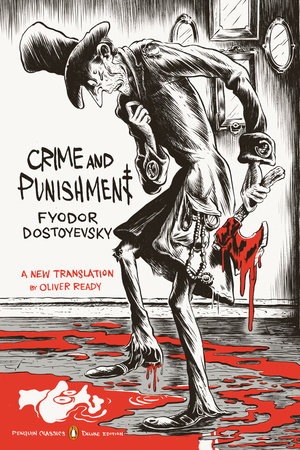
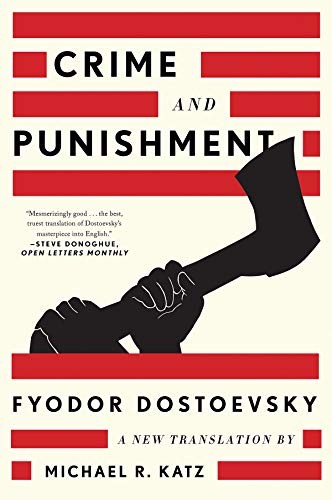
Research behind this guide

These are the sources we used to test our own reading and understand each translator's method.

  1. Peter France. Dostoevskii Rough and Smooth. Forum for Modern Language Studies 33.1, 1997.

    Compares Garnett and Magarshack and argues that Dostoevsky’s broken rhythms, repetitions, and competing voices are central to the novel rather than defects to be polished away.
  2. Connor Doak. Review of Crime and Punishment, translated by Oliver Ready. Slavic and East European Journal 59.2, 2015.

    Assesses Ready’s jagged concision, present-tense dream, dialogue, repetitions, and handling of Porfiry’s voice.
  3. Boris Dralyuk. All Is Permitted, All Over Again. Los Angeles Review of Books, 2015.

    Closely compares Ready, Garnett, McDuff, and Pevear and Volokhonsky in the mare dream and in Raskolnikov’s movement toward the crime.
  4. Lucy Day Werts. What’s the best translation of Crime and Punishment?. We Love Translations, 2020, updated 2022.

    Records Cockrell’s 2022 translation, its opening sentence, and the supporting material in the Alma Classics edition; our recommendation comes from the four checked passages rather than this bibliographic survey.
  5. Cathy McAteer. Putting translation theory into practice. Translating Great Russian Literature: The Penguin Russian Classics, 2021.

    Places mid-century Penguin translators, including Magarshack, inside the series’s editorial preference for readable, assimilated English.
  6. Gary Saul Morson. How to Read Crime and Punishment. Commentary, 1992.

    Reads the novel’s ideas through its competing voices, suspense, accidents, and resistance to a single abstract explanation.